Key Reasons Cities Across America Are Embracing Accessory Dwelling Units
Accessory Dwelling Units, or ADUs, are reshaping how Americans think about housing. These small, independent living spaces are often built in backyards or attached to existing homes.
Across the nation, cities across America are embracing ADUs to tackle housing shortages and affordability challenges. The shift is driven by the need for flexible, sustainable, and cost-effective homes.
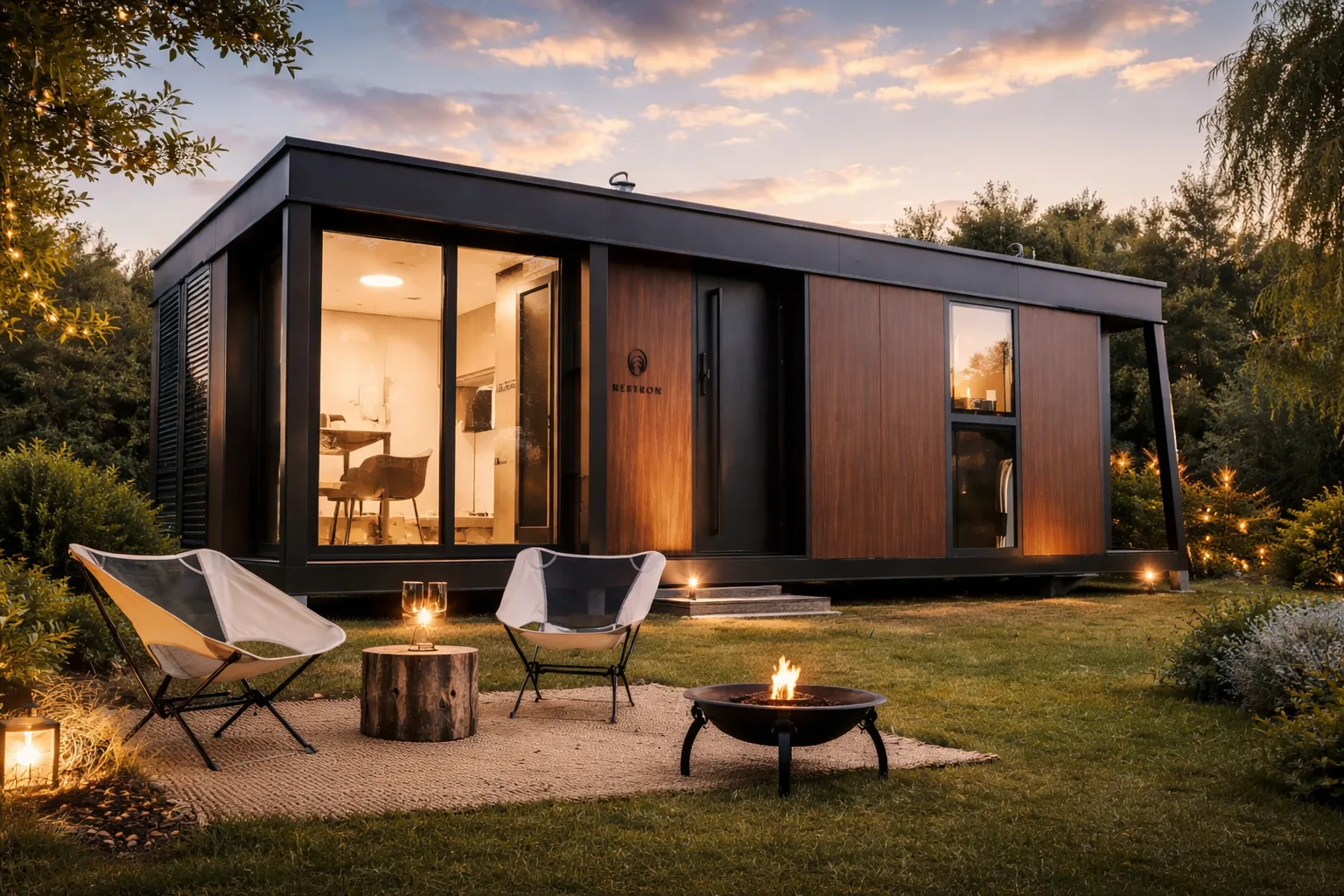
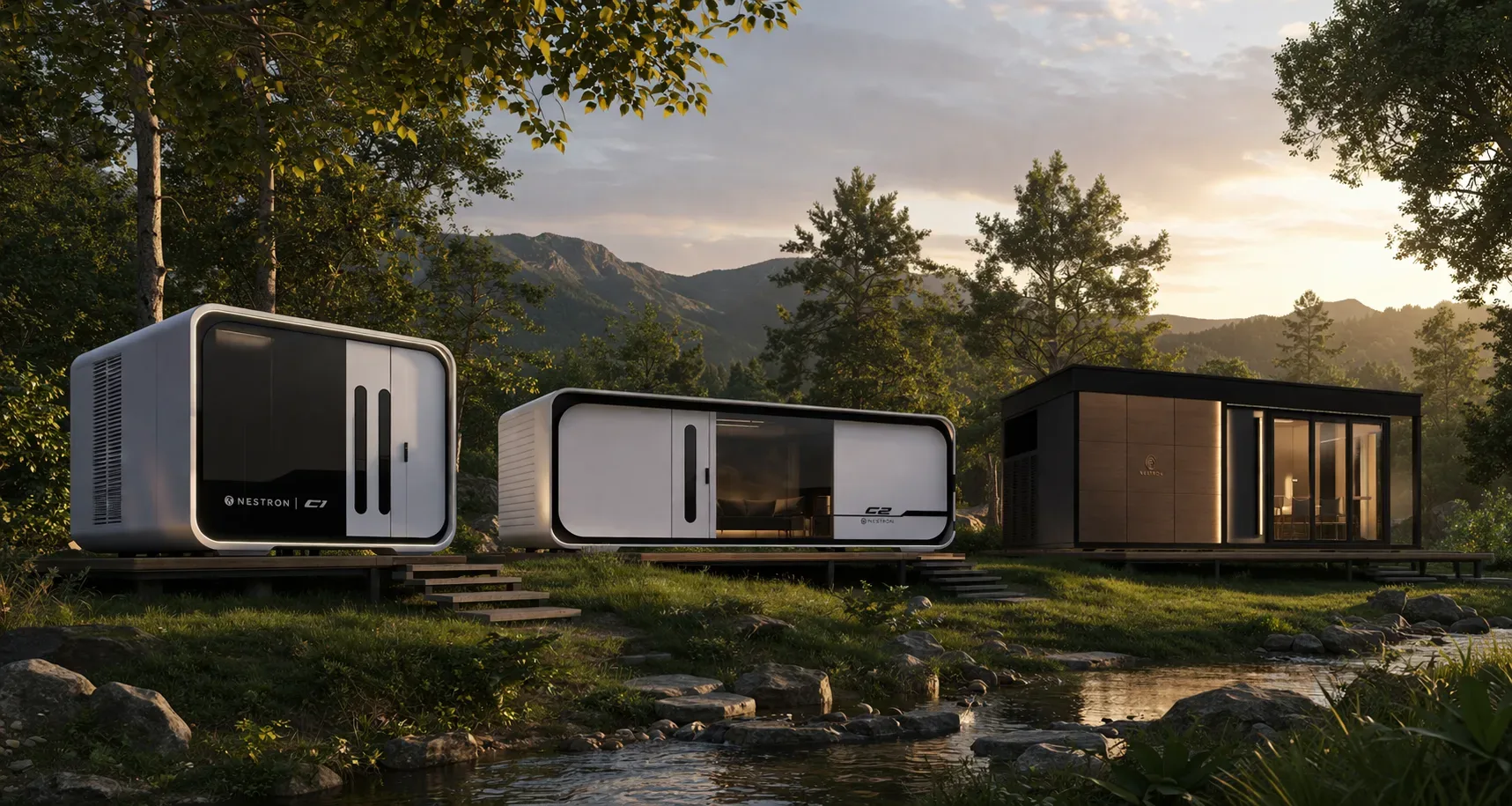
At Nestron, we view ADUs as an important step toward smarter urban living. Compact, affordable, and ready-to-use, they address real problems families face today. As urban centers expand, ADUs stand as an effective way to create more homes without overusing land or resources. This growing movement reflects a practical solution that balances growth, community, and sustainability.
Housing Affordability and the Growing Urban Population
The cost of living in major cities keeps climbing. Families struggle to buy or even rent homes, while younger generations face limited options. In fact, ADUs provide a valuable alternative for those priced out of traditional housing markets or those who don’t want to be stuck in a debt cycle. By building an ADU, homeowners can create affordable housing or earn extra income through rent.
This approach benefits both property owners and renters. At Nestron, we focus on designing units that reduce construction time and cost. Modular ADUs can be installed quickly and with fewer materials. Additionally, states like California, Oregon, and Texas have shown how backyard homes can help manage housing shortages. ADUs give people an affordable path to homeownership and help stabilize local markets.
Smarter Land Use and Sustainable Urban Planning
Urban land is limited, and cities must use it wisely. ADUs make use of existing lots instead of expanding outward. Furthermore, they support compact neighborhoods that encourage walking, reduce traffic, and use fewer public services. This efficient use of land helps maintain a city’s green space and prevents unnecessary sprawl.
Nestron’s compact designs make it possible to build high-quality living spaces in small areas. Prefabricated ADUs reduce waste and require minimal land alteration. On the other hand, traditional housing developments often need new roads, utilities, and land clearing. By contrast, ADUs promote sustainable growth and lower the environmental impact of construction.
Urban planners and homeowners alike are rethinking how to use limited space wisely. Every square foot matters, and ADUs are an ideal example of making the best use of it. They fit comfortably on existing lots while adding valuable living space. Modern designs now inspire creative ways to optimize comfort and functionality in smaller areas. Homeowners are learning how to make the most of your new home’s layout, using multi-purpose furniture, open floor plans, and smart storage solutions. This approach turns minimal land into maximum living potential, helping cities grow responsibly while improving everyday life.
Meeting the Needs of a Changing Family Structure
Family needs are changing. Many households now include aging parents, young adults, or relatives seeking independence. ADUs provide a flexible way to live together while maintaining privacy. Moreover, they allow families to support one another without the cost of separate homes.
For example, a small backyard home can house elderly parents close to family care. Similarly, young professionals can live near their parents without financial strain. These living arrangements build stronger family bonds and offer comfort. ADUs meet emotional and practical needs, giving people the ability to adapt to life’s changes easily.
Local Governments Are Making It Easier
Many cities across America are embracing ADUs through policy reform. Local leaders are updating zoning codes, reducing permit times, and cutting fees to make building easier. In recent years, California led the way with laws that allow more homeowners to build ADUs on their properties. Portland followed by relaxing parking rules and simplifying applications.
These actions show a national trend toward more flexible housing laws. Professionals support these efforts by creating modular ADUs that meet code requirements in multiple states. By simplifying the process, more residents can create housing that fits local needs. This collaboration between policy and innovation accelerates the shift toward sustainable urban growth.
Sustainability: Small Footprints, Big Impact
Sustainability is a major reason for the ADU movement. Smaller homes consume less energy, produce less waste, and require fewer materials. In comparison, full-size homes demand higher heating, cooling, and maintenance costs. ADUs, built efficiently, are more eco-friendly and cost-effective.
Nestron’s modular units include solar-ready designs, recyclable materials, and energy-saving systems. Equally important, their production creates minimal construction waste and emissions. By focusing on efficiency, ADUs contribute to cleaner, greener cities. These small spaces play a big role in helping communities reach climate goals.
Economic Benefits for Homeowners and Communities
ADUs boost local economies. Homeowners can generate steady income by renting their units long-term or short-term. This additional income can help cover mortgages or modular home debt, taxes, and everyday costs. Beyond that, ADUs increase property value and strengthen financial security for families.
Communities also gain from this growth. ADU construction supports local contractors, designers, and suppliers. At the same time, affordable rental units attract workers and students, keeping cities diverse and vibrant. Still, ADUs maintain balance by offering affordable options in expensive areas. This helps cities thrive without pushing residents out.
The Future of Urban Living: ADUs and Innovation
The popularity of ADUs signals a broader housing revolution. As populations grow and cities densify, smaller, smarter homes are becoming essential. Meanwhile, modular and prefabricated technology continues to improve, making ADUs faster to build and easier to install.
Advanced design combines sustainability, comfort, and smart features in every unit.
Homeowners can install them within weeks, avoiding long and costly construction. Compared to traditional homes, ADUs are simpler to maintain and can evolve with family or rental needs. The future of urban living will depend on compact solutions that balance affordability and
sustainability.
Summary: Why Cities Across America Are Embracing ADUs
In summary, cities across America are embracing ADUs for good reasons. They provide affordable housing, efficient land use, and sustainable growth. These small units offer flexibility for individuals or families and income opportunities for homeowners. Of course, their positive impact extends beyond individual properties to entire communities.
ADUs represent the next step in practical, sustainable urban living. Their compact size, affordability, and eco-friendly features solve real housing problems. Altogether, they mark a shift toward a smarter, greener, and more inclusive housing future. ADUs are not a passing trend—they are the foundation of better urban living for generations ahead.
Meta: Discover why cities across America are embracing ADUs for affordability, sustainability, and smarter urban growth.