How Tiny Living Can Help You Escape the Debt Cycle
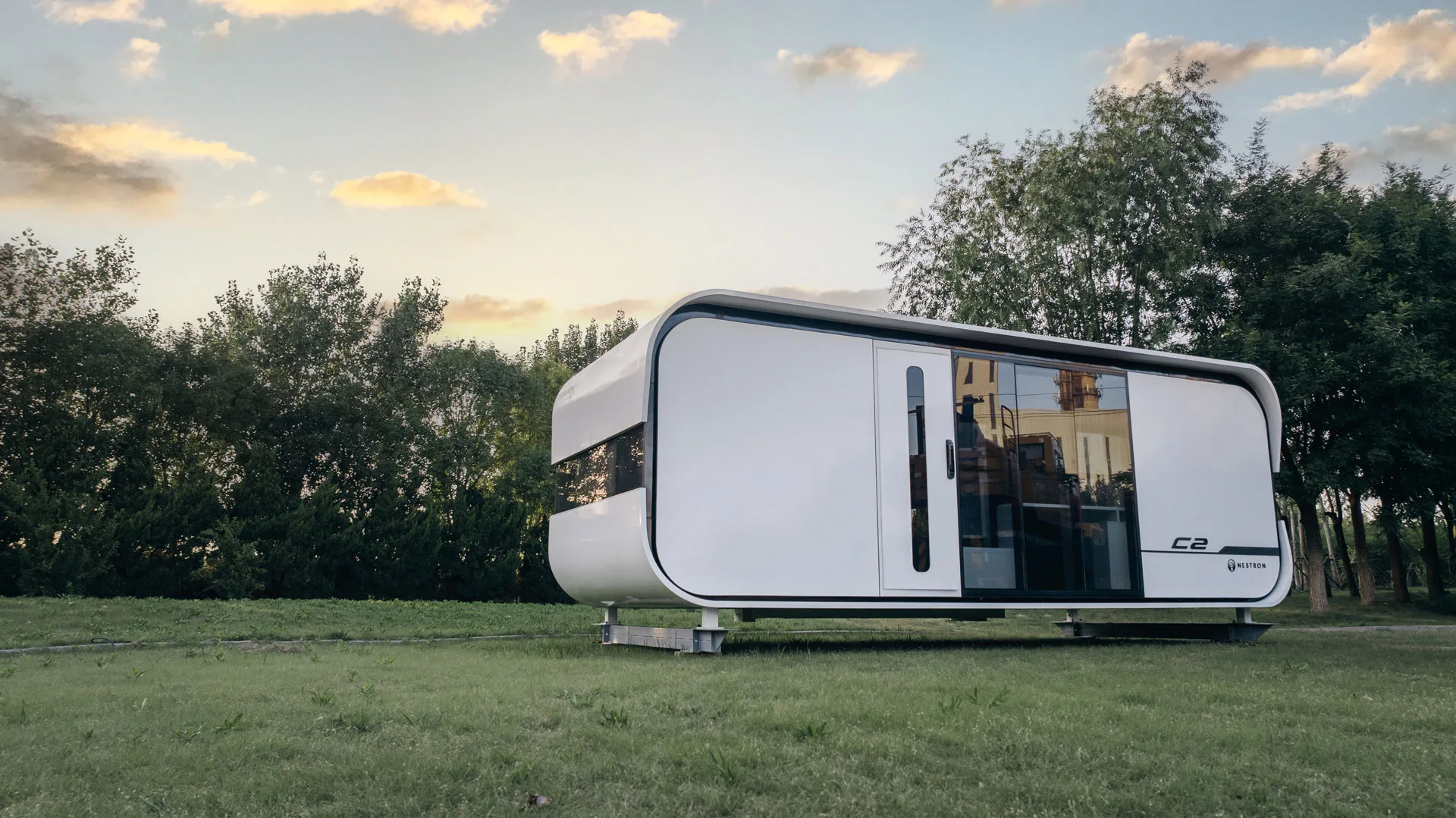
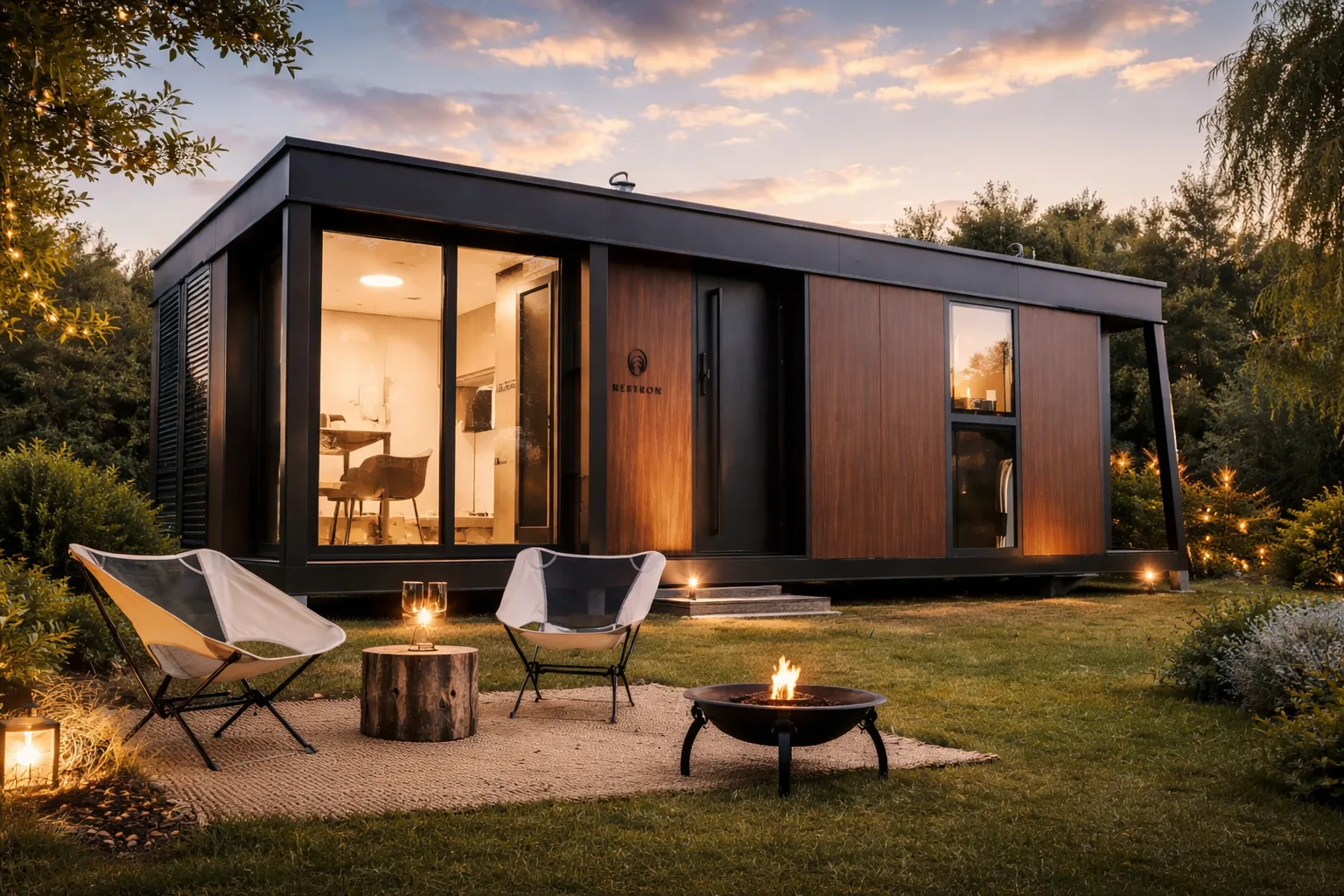
Housing costs keep rising, forcing many into financial stress. Rent and mortgage payments take up too much income, leaving little room for savings. Tiny living can help you escape the debt cycle by offering a way to own a home without a lifetime of payments. A prefabricated tiny house allows homeowners to reduce debt, limit expenses, and invest in their future. These homes cost less, consume less energy, and require little upkeep. Instead of feeling stuck in an endless cycle of payments, people can use this approach to reclaim financial freedom. Tiny homes open doors to a smarter way of living, where debt no longer controls every decision.
The Rising Cost of Traditional Housing Made Tiny Homes Popular
Home prices keep climbing. According to NPR, home prices have surged 47% since early 2020, largely due to the impact of the COVID-19 pandemic. Many people struggle to afford down payments, leading to long-term financial stress. Renting provides no stability, yet buying often comes with decades of payments. Banks push large mortgages, making it hard to build wealth.
Expenses never stop:
Mortgage payments drain monthly income.
Property taxes rise each year, increasing costs.
Home maintenance demands constant spending.

A small home changes this equation. Instead of pouring money into a large house, people can invest in a home that works for them. A prefabricated tiny house costs less upfront and removes financial strain. Instead of seeing money disappear each month, homeowners can save, invest, or spend on experiences that matter.
How Do Tiny Homes Reduce Financial Strain?
A traditional home ties people to fixed expenses. Mortgage payments, utilities, and repairs never stop. In contrast, a tiny home shifts control back to the homeowner. These homes cost less to buy and maintain, freeing up income for better use.
Lower expenses mean tiny living can help you escape the debt cycle in multiple ways:
Fewer square feet mean lower heating, cooling, and electricity bills.
Simple designs reduce costly maintenance and unexpected repairs.
Smaller homes need less furniture and fewer possessions.
People looking for relief from financial stress find tiny homes a game-changer. With fewer bills, more money stays in the bank. A lifestyle free from unnecessary costs allows owners to focus on things that matter.
Nestron’s Financing Solutions
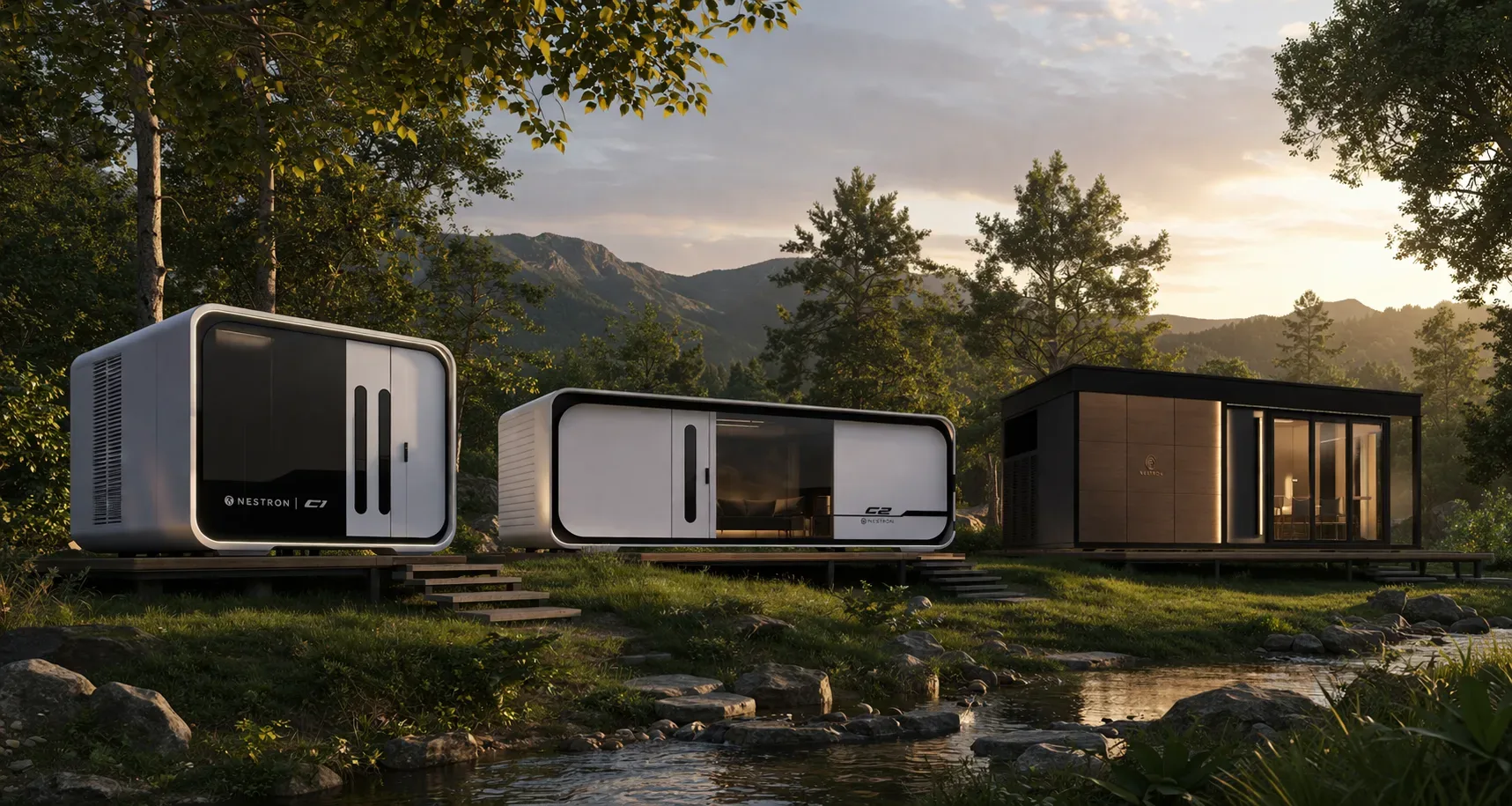
Many people dream of a home without a crushing mortgage. Traditional financing locks buyers into long commitments. Nestron offers a way out. Buyers can own a prefabricated, energy- efficient home through financing partners without waiting years to save.
Not every lender supports small-home financing. Many see non-traditional housing as a risk.
Nestron connects buyers with financing partners who understand tiny homes. Low-interest loans keep monthly payments manageable. Instead of renting endlessly, homeowners build equity right away.
Smart financing options let buyers move fast. A tiny home becomes possible, even for those with limited savings. Unlike a traditional mortgage, tiny home financing often includes shorter terms and lower overall costs. This keeps money available for investments, travel, or early retirement.

Turning a Tiny Home into a Passive Income Source
Extra income creates financial security. Renting out a prefabricated home offers an easy way to earn. Unlike traditional rental units, tiny homes cost less to maintain. Lower overhead leads to better profit margins.
Platforms like Airbnb make short-term rentals simple. Guests seek unique stays. Eco-conscious travelers prefer sustainable spaces. A small, well-designed home attracts those looking for comfort without excess.
Another strategy involves long-term leasing. Some professionals prefer smaller spaces near city centers. Others need temporary housing. A tiny home provides an affordable alternative to expensive apartments.
Before purchasing, investors look at the most popular states for tiny homes, like California or Mississippi. Location impacts rental demand. High-traffic areas provide the best returns. Those with flexible land-use laws make renting easier.
Tiny homes also work as guest houses. Families with extra space can generate income by renting to visitors. Instead of maintaining a large unused area, homeowners profit from their property.
What Should You Do Before Moving Into A Tiny Home?
Moving into a tiny home from a traditional rental requires careful planning and a shift in mindset. Space constraints demand smart organization, so downsizing possessions becomes essential. With its growing tiny home communities, California offers an ideal setting for this lifestyle.
However, relocating within the state can feel overwhelming without the right support. To ensure a smooth transition, it’s best to team up with moving experts who specialize in long-distance relocations. These professionals handle logistics, transportation, and heavy lifting, allowing homeowners to focus on adapting to their new space. With expert assistance, settling into a tiny home feels effortless and stress-free.
Tiny Living as a Path to Financial Freedom
Owning less means gaining more. Small homes promote financial stability by reducing spending on unnecessary items. Less space leads to smarter purchases. Without large closets or storage areas, people buy only what they need.
Many people want freedom from financial burdens. Couples moving into their first tiny home often find that fewer expenses give them more opportunities. Instead of struggling with high mortgage payments, they enjoy flexible careers, frequent travel, and long-term savings.
Some worry about space, but smart designs make every inch count. Foldable furniture, multi- purpose rooms, and built-in storage maximize usability. Instead of managing clutter, homeowners focus on a lifestyle with fewer financial burdens.
Tiny homes provide a real way to escape financial struggles and open doors to a debt-free future.
Tiny Homes as a Long-Term Investment
Real estate remains a stable investment. Tiny homes offer the same benefit, with lower risk. Unlike apartments, a tiny home belongs to its owner. No landlord controls rent increases. Property values rise over time. A well-maintained tiny home holds value. Some states offer incentives for eco-friendly living. Energy-efficient designs lower utility bills. These savings have grown over the years, making homeownership financially smart.
Buyers seeking investment options can explore modular expansion. Some Nestron models allow future additions. Owners start small and scale up when needed. This flexibility makes tiny homes attractive for growing families or changing needs.
Many investors see tiny homes as rental opportunities. Demand for short-term rentals stays high. Tourists, remote workers, and students seek affordable options. A tiny home on a private lot provides a steady income.
What Are Some Common Tiny Home Concerns?
Some hesitate to live small. They fear losing comfort. Modern designs solve this. Every inch has a purpose. Built-in storage, foldable furniture, and open layouts keep spaces functional.
Zoning laws create another concern. Not all cities welcome tiny homes. Researching legal requirements matters. Some states make ownership easier than others. Buyers should check local regulations before moving forward.
Weather durability remains a priority. Nestron’s materials withstand extreme temperatures. Insulated walls reduce heating and cooling costs. Unlike traditional trailers, these homes provide year-round comfort.

Tiny Living Can Help You Escape the Debt Cycle – Take The Leap Today!
Tiny living can help you escape the debt cycle by cutting costs and increasing financial security. Instead of working for a house, a house works for its owner. Lower expenses, smarter investments, and new income streams make financial freedom possible. Consider the benefits.
Take control of your future. Explore tiny home ownership today!