How tiny homes influence your mindset and habits
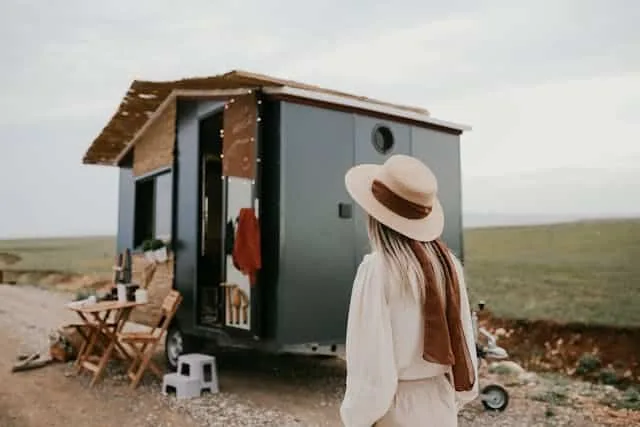
Tiny homes do something to your head. The moment you walk into one, the noise of regular life seems to take a step back. There’s less clutter, fewer distractions, and a noticeable shift in how
you move and think. Plus, tiny living comes with a ton of perks you may not expect.
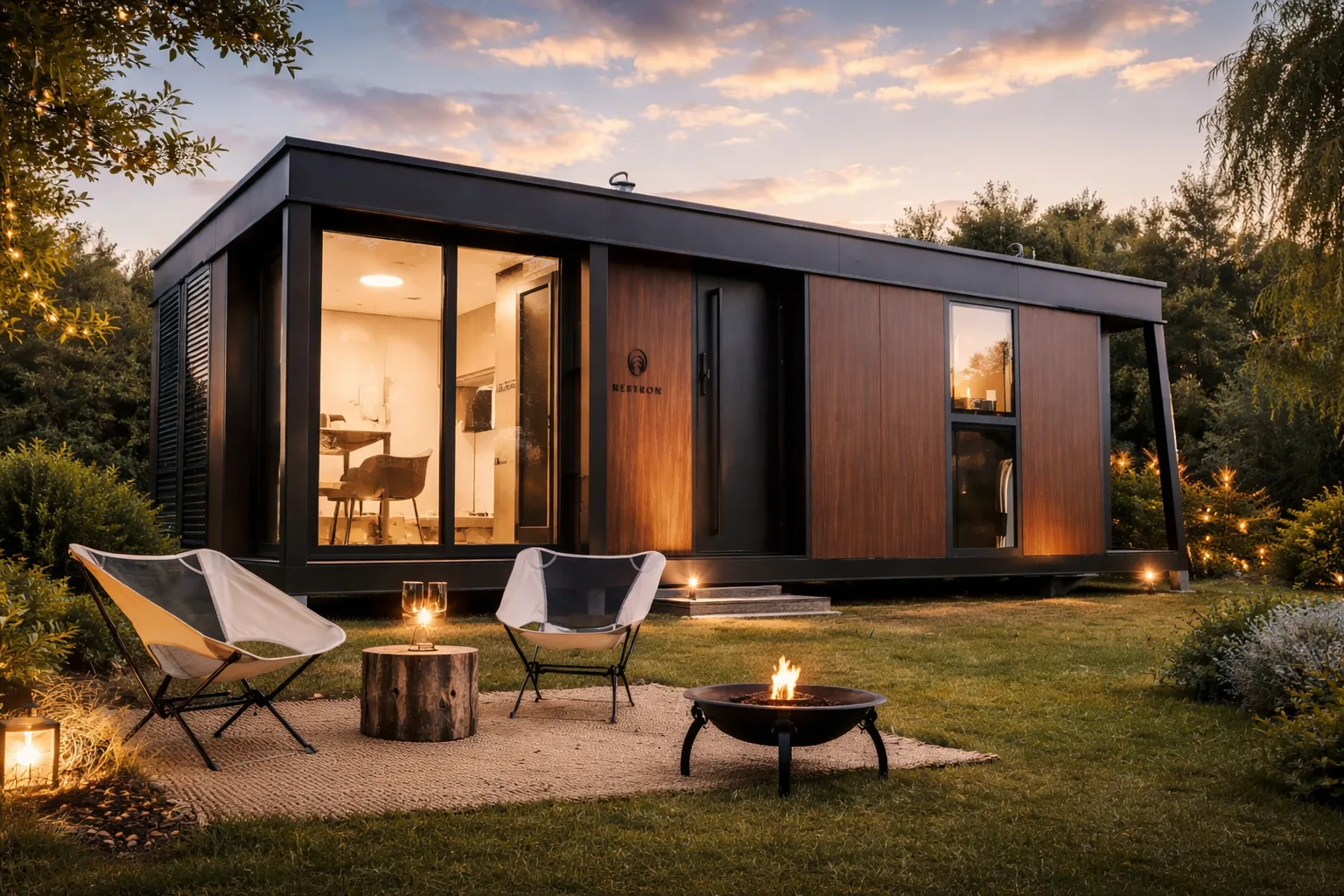
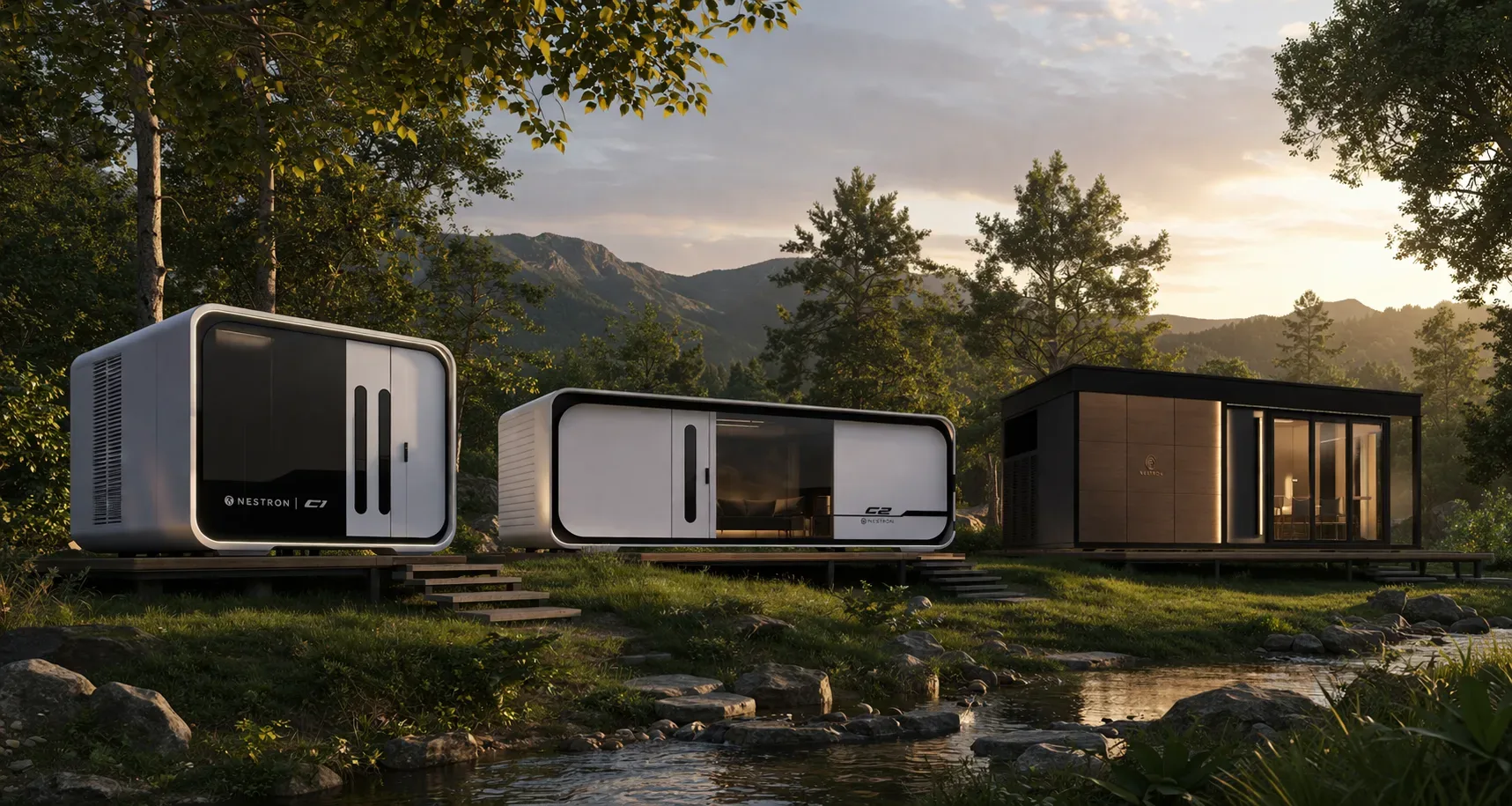
At Nestron, we’ve seen firsthand how tiny homes influence your mindset in ways that last far beyond the first few weeks. They don’t just change your address. They change your approach to living.
Living with Less (and Loving It)
Most people don’t realize how much stuff they own until they’re forced to fit it into 25 square meters. It’s not about sacrifice—it’s about clarity. In a tiny home, everything has to earn its spot.
That forces a kind of mental reset and a focus on the right values. You start asking: Do I actually use this? Do I even like it?
Nestron’s compact layouts are designed to make those choices easier. Built-in storage, multi-purpose furniture, and open-plan designs reduce the stress of organizing and cleaning. You don’t feel cramped. You feel calm. That calm often extends into other parts of life. People begin simplifying more than their homes—they simplify their routines, their schedules, and even their relationships.
That’s one of the ways tiny homes influence your mindset: by removing noise, they give space for focus.
The Habits You Don’t Expect (But End Up Loving)
Some habits sneak up on you. In a full-size home, you might let things pile up. Not here. In a tiny home, dishes get washed right after meals, laundry gets folded and put away fast, and you’ll start wiping surfaces just because they’re within reach. It’s not about being cleaner—it’s about being done sooner.
You also get creative with how you use your space. A sofa turns into a bed. A breakfast counter becomes your work desk. A storage bench hides your winter gear. At Nestron, we’ve built these functions into our layouts on purpose. It’s not just about saving space—it’s about making the most of it. And that changes how you move through your day. You get efficient. You get thoughtful.
These shifts are small, but they stick. That’s another way tiny homes influence your mindset: by turning every action into a choice, they create routines you want to keep.
Less Chores, More Time Outside
You don’t spend Sunday scrubbing a three-bathroom house. You sweep the floor, shake out the rug, and you’re done. That means more free time. And tiny homeowners tend to use that time differently.
You’ll see more of your neighborhood and go on walks. You’ll sit outside. That connection with the outdoors isn’t just good for your health—it builds gratitude. Nestron homes are designed with big windows and light-filled interiors to make that connection even easier. Nature doesn’t feel far away when your living space lets it in.
And that’s the thing: the freedom to move, rest, or explore on your terms—without spending your weekend buried in chores—can shift your entire outlook.
Community Grows When Space Gets Smaller
Tiny homes might be small, but they tend to bring people closer. Sometimes literally. You’ll have more conversations with your partner, your kids, or your friends. The space encourages it.
There’s no hiding in different rooms with the door shut.
Tiny home communities often foster a shared mindset, too. People trade tools, swap meals, and talk about sustainability. The lifestyle tends to attract those who want simpler, smarter living, and that creates common ground fast.
At Nestron, we believe connection should never feel like a luxury. Our homes are built to encourage it, whether you’re parked on private land or sharing space with other tiny homes.
Living Green Starts at the Move
Moving into a tiny home gives you a real chance to rethink how you relocate—and how your choices affect the environment. Downsizing means fewer items to transport and less waste from packing, which naturally reduces your footprint. But you can take it further.
In truth, to make your relocation more sustainable, you can look for eco-friendly movers or transportation options that use fuel-efficient vehicles or carbon offset programs. Also, sell or donate items you no longer need instead of sending them to the landfill. Finally, you can choose packing supplies that can be recycled, reused, or made from biodegradable materials. These small decisions add up.
Once you move in, the eco-conscious mindset often continues. Many tiny homeowners embrace composting, grow their herbs, or explore solar energy. Because the space is manageable and efficient, green habits become easier to maintain. Nestron homes support that shift by design—built to help you live lighter without sacrificing comfort.
Small Space, Big Awareness
There’s something powerful about being able to see your entire living space from the kitchen. You become aware of your habits in a new way. Maybe you leave the lights on less or start tracking water usage. Perhaps you realize how much food you waste. It’s not about guilt — it’s about visibility. In a tiny home, everything is closer.
That includes your choices.
We’ve noticed how this awareness grows over time. People become better stewards of their space, and that often extends to how they shop, cook, and even travel. Plus, let’s face it, deep cleaning becomes much faster and easier.
So, if you’re looking to build more sustainable habits without overhauling your life, a tiny home
might give you the push you need.
When It Gets Tight
It’s not all sunshine and space-saving furniture. There are hard days. Sometimes, you just want to stretch out or shut a door behind you.
That’s where flexibility comes in. Tiny homes work best when you use outdoor spaces, too. Set up a small deck. Hang a hammock. Use the local library or café to work if you need a change of pace.
At Nestron, we design homes that let you expand into the world, not retreat from it. And we encourage every homeowner to find the rhythm that works for them. Minimalism doesn’t mean missing out—it just means choosing what matters.
It’s Not Just a House, It’s a Habit-Changer Living in a tiny home isn’t a novelty. It’s a lifestyle that reworks your assumptions about space, stuff, and time. You might start with downsizing your closet, but you’ll end up reevaluating how you spend your mornings, how you connect with others, and how you plan your future.
We’ve seen this again and again—how tiny homes influence your mindset in quiet but lasting ways. They don’t force change. They invite it. At Nestron, that’s what we’re proud of most. Not just the homes but the mindset shifts they spark.