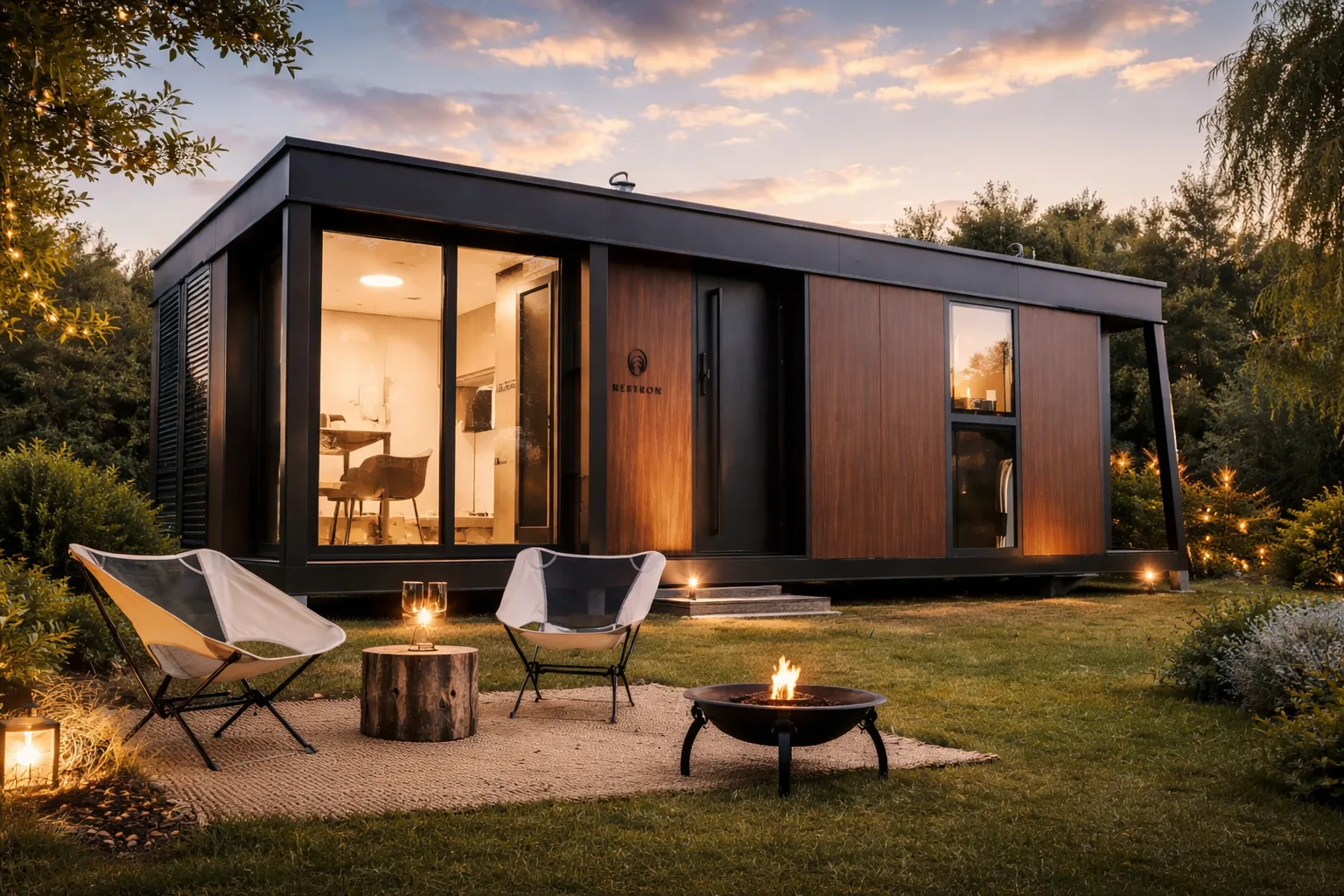
Site prep before delivery: what moving onto raw or undeveloped land requires
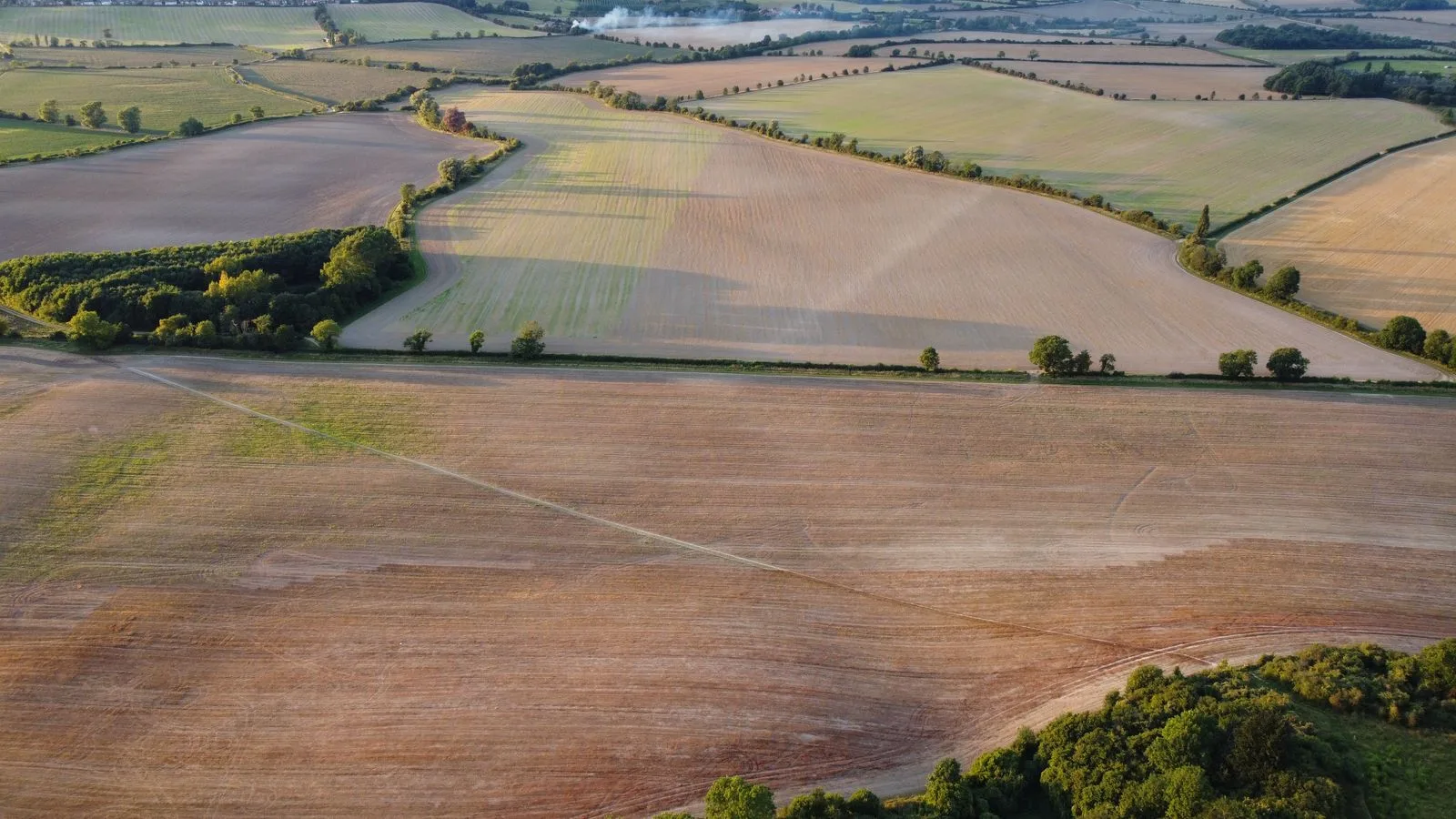
Raw acreage rarely comes with a driveway, a water source, or a power line. Here’s what to sort out, and roughly what it costs, before a home can be delivered.
Buying a plot of land is the easy part. Raw acreage rarely comes with a driveway, a water source, or anywhere to send wastewater, and each of those has to be solved before a home can be delivered, let alone lived in.
Site prep for raw land covers everything between owning an empty lot and having a move-in-ready address: legal access, permits, utilities, and a realistic budget for all three. Skipping this planning is the most common way a land purchase turns into an expensive surprise.
What counts as “raw” or undeveloped land?
Raw land is a parcel with no existing driveway, utility hookups, septic system, or permanent structures: just soil, trees, and a deed. It’s different from an “improved” lot, which already has road frontage and utility stubs in place. Buyers are often drawn to raw land because it’s cheaper per acre. That lower purchase price hides the cost of building infrastructure from scratch.
Before signing anything, it’s worth asking the seller or county assessor whether the parcel has been surveyed and whether an access easement exists. A floodplain or wetland buffer on any part of the lot can also restrict where a home can go, so check for that too.
What permits and zoning approvals come first?
Nothing gets built until the county confirms the land is zoned for residential use and issues a building or placement permit. Zoning rules dictate minimum lot size, setbacks from property lines, and whether a factory-built home qualifies as a permanent dwelling in that jurisdiction.
The permitting process for a prefab or modular unit follows a similar arc almost everywhere. The cost and regulatory hurdles behind building a prefab home in urban areas apply just as much to a rural county as they do to a dense city lot. Expect separate approvals for the home itself, the septic or sewer connection, and the driveway or road cut.
What does site prep for raw land cost?
Clearing, grading, a driveway, and utility trenching commonly run from a few thousand dollars to well over $20,000, depending on terrain and distance from existing infrastructure. Steep slopes, heavy tree cover, and rocky soil all push costs higher, since equipment time is the biggest line item. Homeowners can control a good portion of this by phasing the work and getting multiple contractor quotes rather than accepting the first bid.
The delivery itself is a separate expense worth planning for too. Pairing early site work with a plan for making your move more affordable keeps the whole project from creeping past budget before the home even arrives.

Utilities to line up before delivery
Every raw parcel needs a water source, a way to handle wastewater, and an electrical connection before a home can be occupied. These three systems are usually the most expensive and time-consuming part of site prep, so they should be scoped early.
Water: wells and testing
If municipal water isn’t available, a well has to be drilled and the water tested before it’s safe to use. Well depth and drilling cost depend on local geology, and testing should cover bacteria, nitrates, and other regional contaminants. Private wells aren’t covered under the same rules as public water systems. The EPA’s guidance on private drinking water wells is a useful starting point for what ongoing testing involves.
Wastewater: septic considerations
Without sewer access, a septic system is required. It starts with a soil evaluation, sometimes called a perc test, to confirm the ground can absorb wastewater safely. A failed test doesn’t always mean the land is unbuildable, but it often means a more expensive alternative system. The EPA’s septic systems resources walk through system types, sizing, and the maintenance homeowners are responsible for once a system is installed.
Electricity and grid connection
Running power to a remote parcel means either extending grid lines, which the utility typically charges by the linear foot, or installing an off-grid solar setup. Distance from the nearest utility pole is usually the single biggest factor in that comparison, so get a quote from the utility before assuming grid power is the cheaper option.
Financing that fits a factory-built home
Financing is often what makes raw land development possible at all, since site prep, permits, and the home itself rarely get paid out of pocket at once. At Nestron, we work with financing partners who structure loans specifically for modular and factory-built homes. Mortgage vs modular home finance runs on a different underwriting path, and lenders weigh construction-to-permanent loans differently when a home isn’t built on-site in the traditional sense. Approval and terms sit with the lender.
Can raw land become a long-term investment?
Raw land bought and developed thoughtfully can be both a home and, later, an income property. Nestron’s models support this use directly. A factory-built home on a well-prepped lot can be a primary residence now and a short-term rental later, without a second construction project. Lower carrying costs on a smaller footprint also free up income, which is how tiny living can help you escape the debt cycle.

From empty lot to move-in ready
Raw land can become a comfortable home, but only if access, permits, utilities, and financing are lined up before delivery day. Treat site prep as its own project with its own timeline, and get multiple quotes for the physical work. Lean on financing partners who understand factory-built homes rather than forcing the process into a conventional mortgage.
If you’re weighing a parcel of raw land against a developed lot, three first steps will shape every decision that follows.
- Walk the site
Look at slope, tree cover, road access, and distance to the nearest utility pole.
2. Order the evaluations
A soil evaluation (perc test) and a water test tell you early whether septic and well plans are viable.
3. Call the local permitting office
Confirm zoning, setbacks, and whether a factory-built home qualifies as a permanent dwelling on that parcel.
Nestron builds factory-built ADUs that arrive fully complete. If you’re planning a build on raw land, the FAQ covers delivery, site prep, and permitting in more detail.