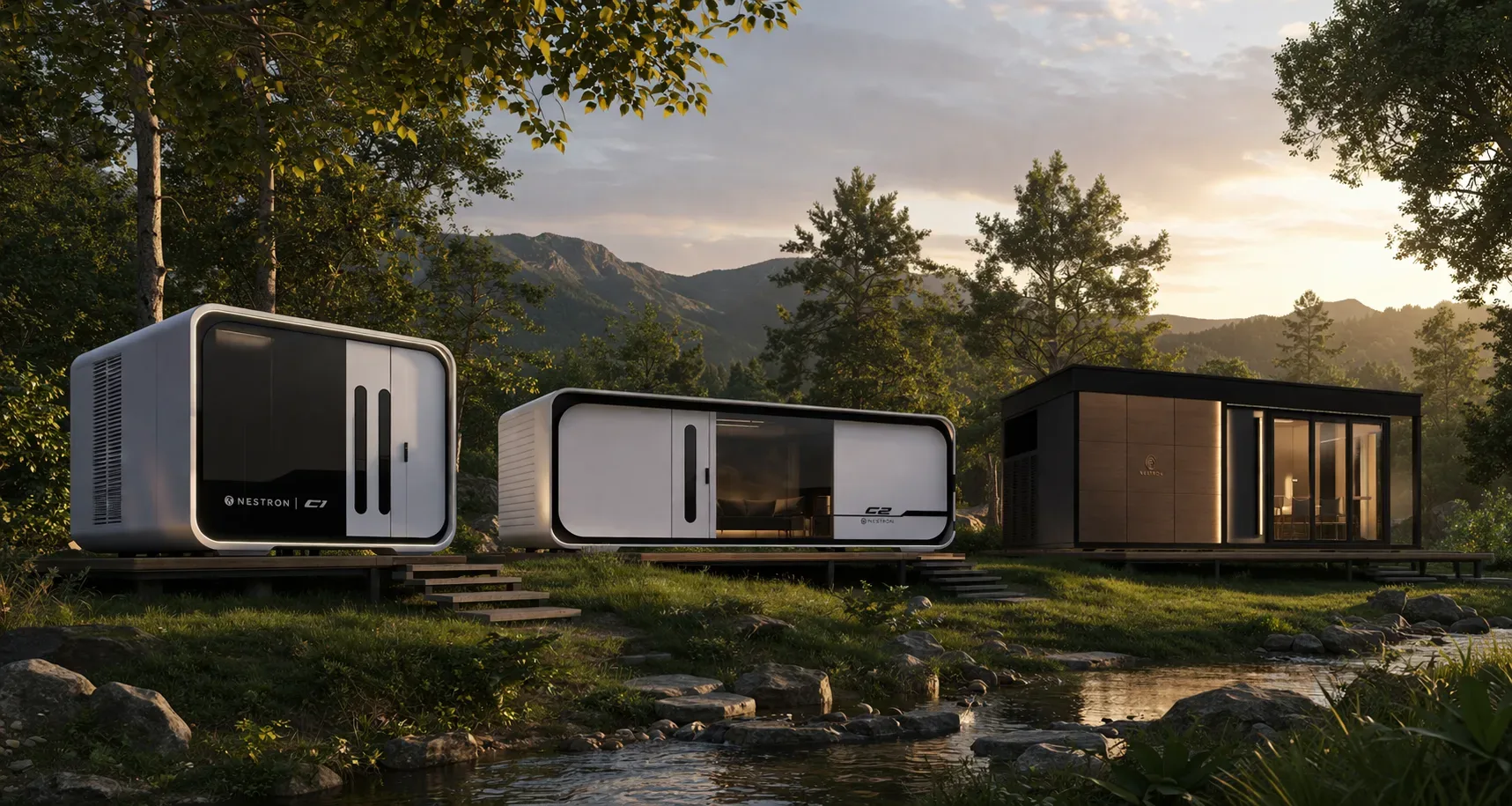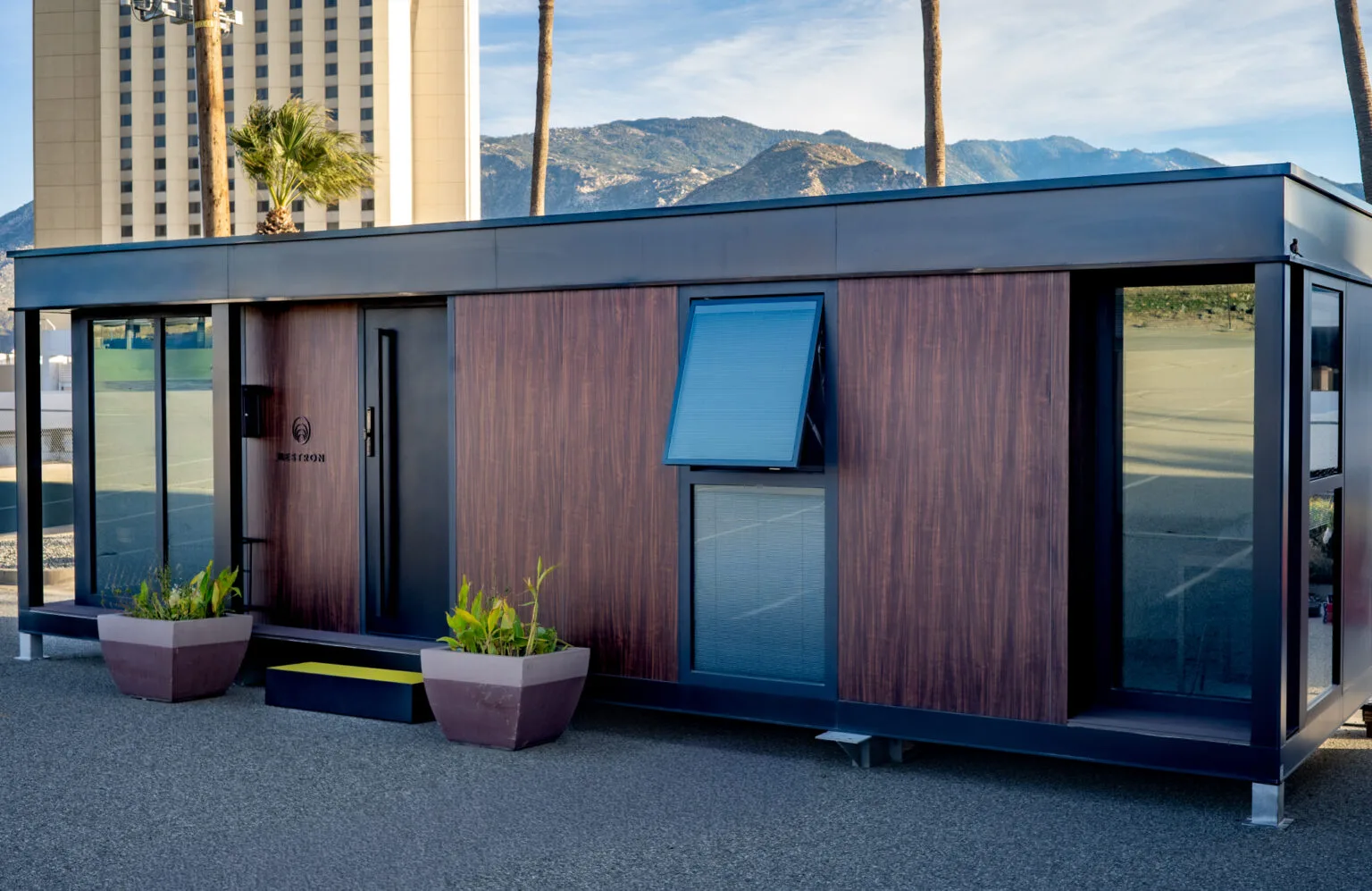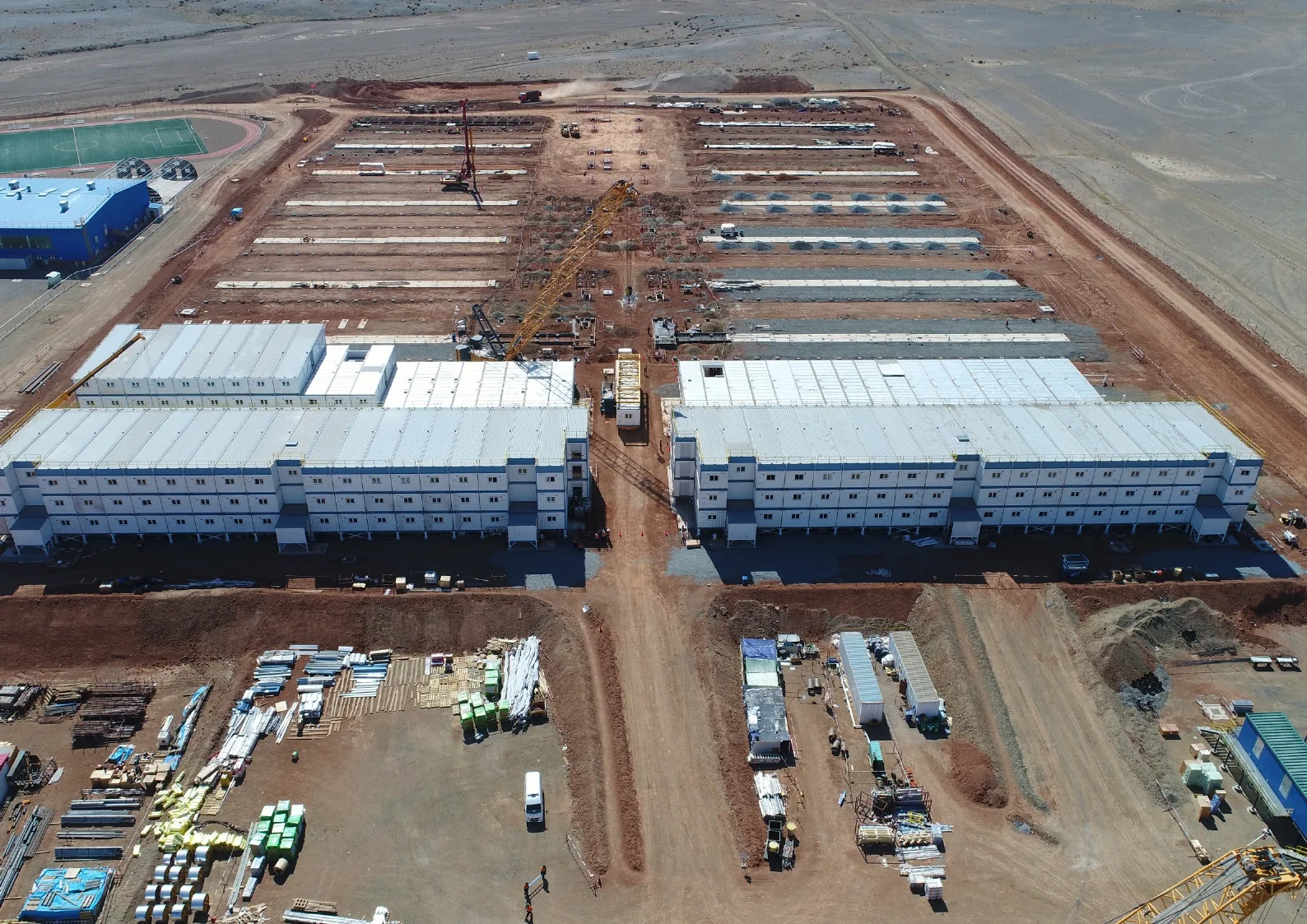
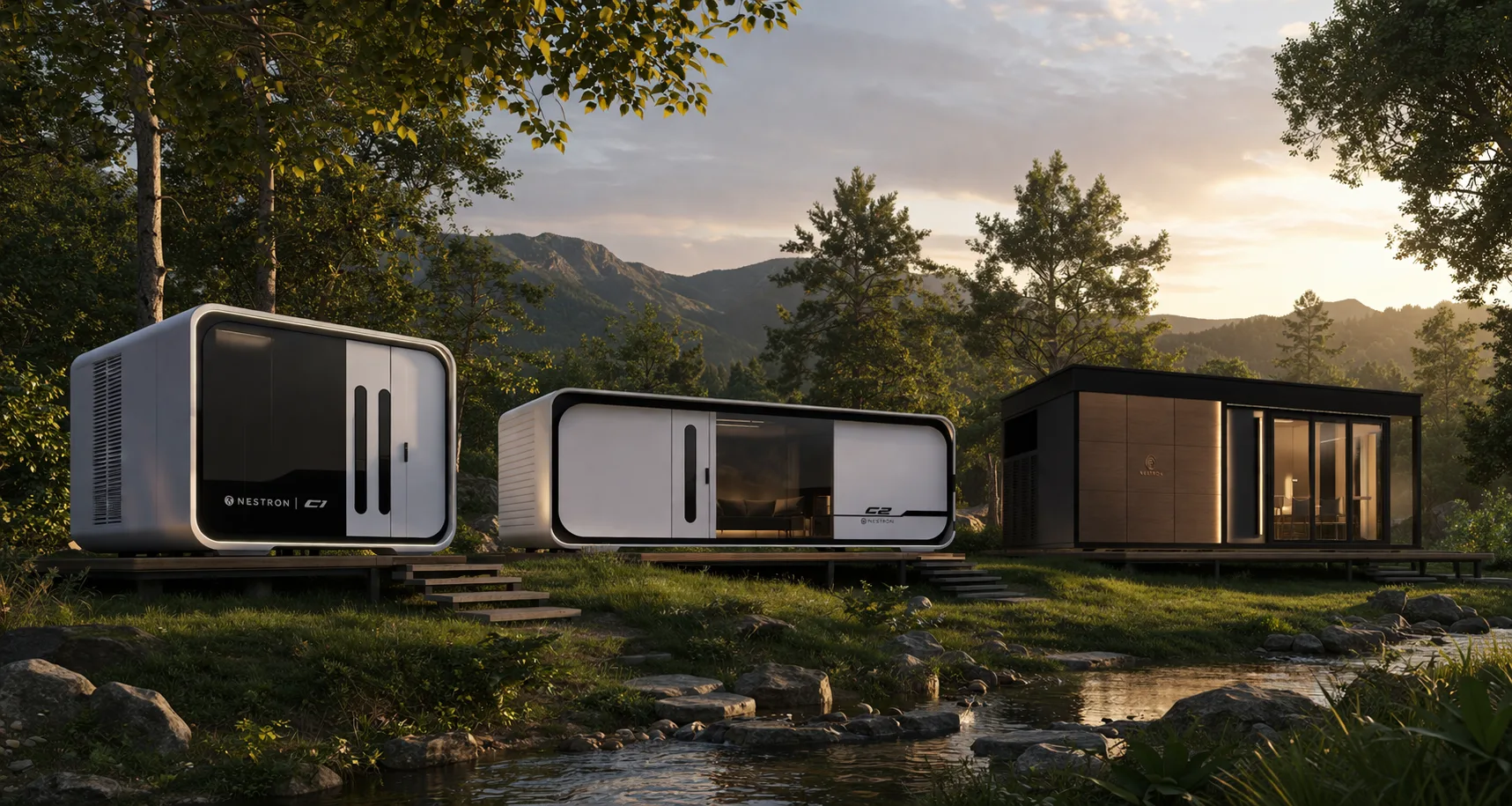

As one of Southern California’s leading resort destinations, Morongo Casino & Resort sought an innovative housing solution to support the development of a modular home community within its property.
The project required multiple residential units to be delivered within a highly compressed timeline while maintaining quality, consistency, and predictable costs. Traditional construction methods presented significant challenges due to labor availability, scheduling uncertainties, and escalating construction expenses.
Morongo needed a partner capable of delivering a complete turnkey solution at scale.
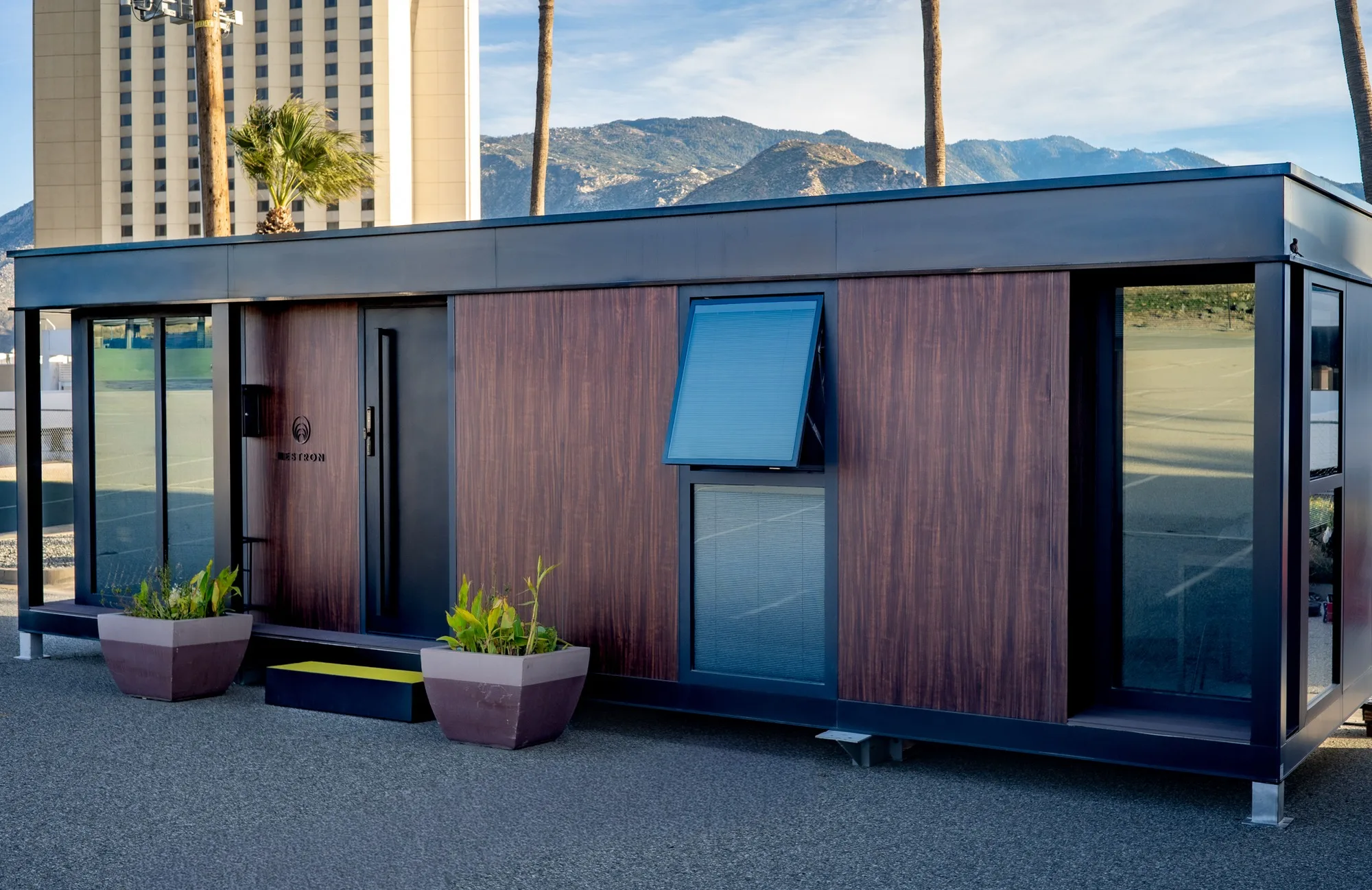
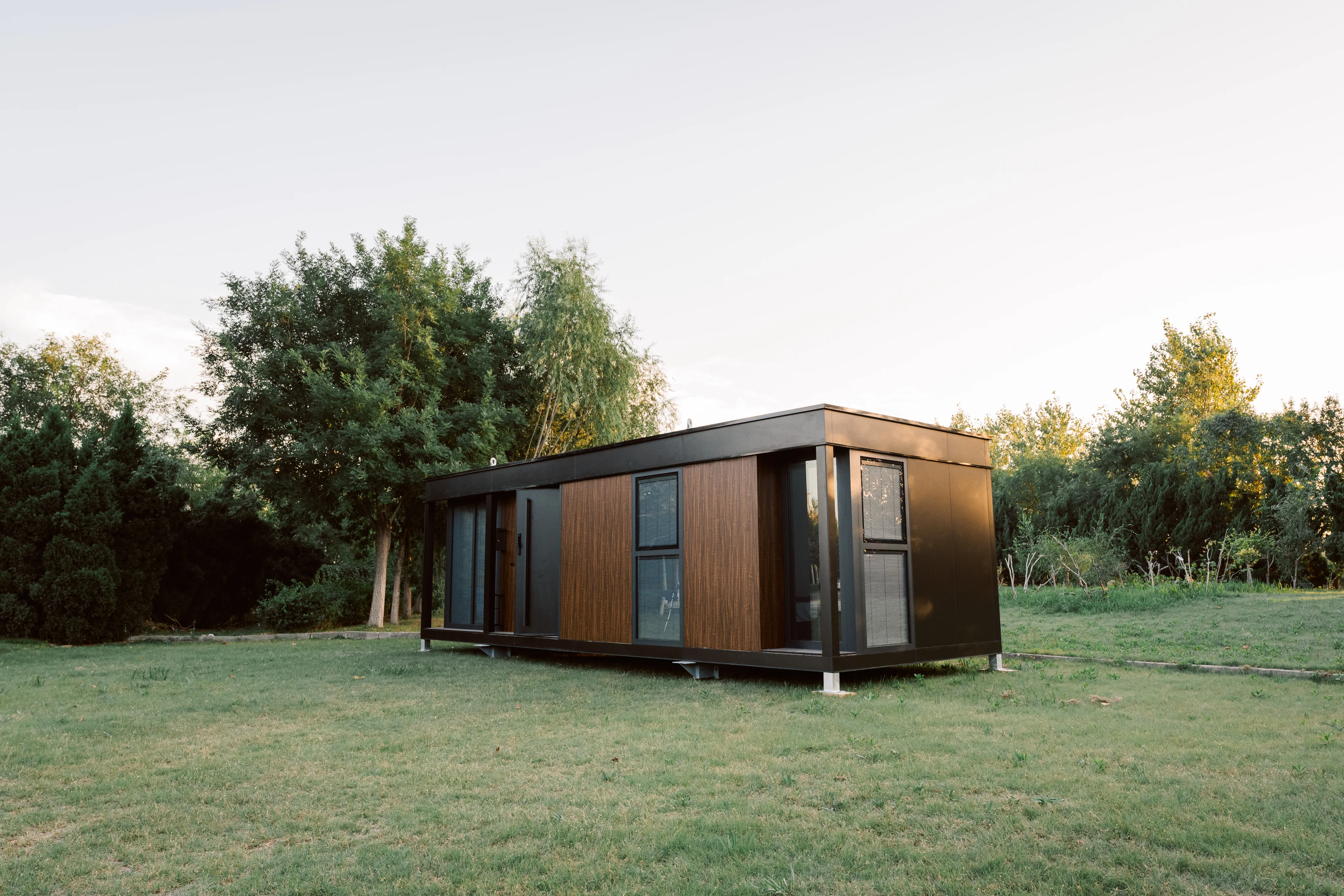
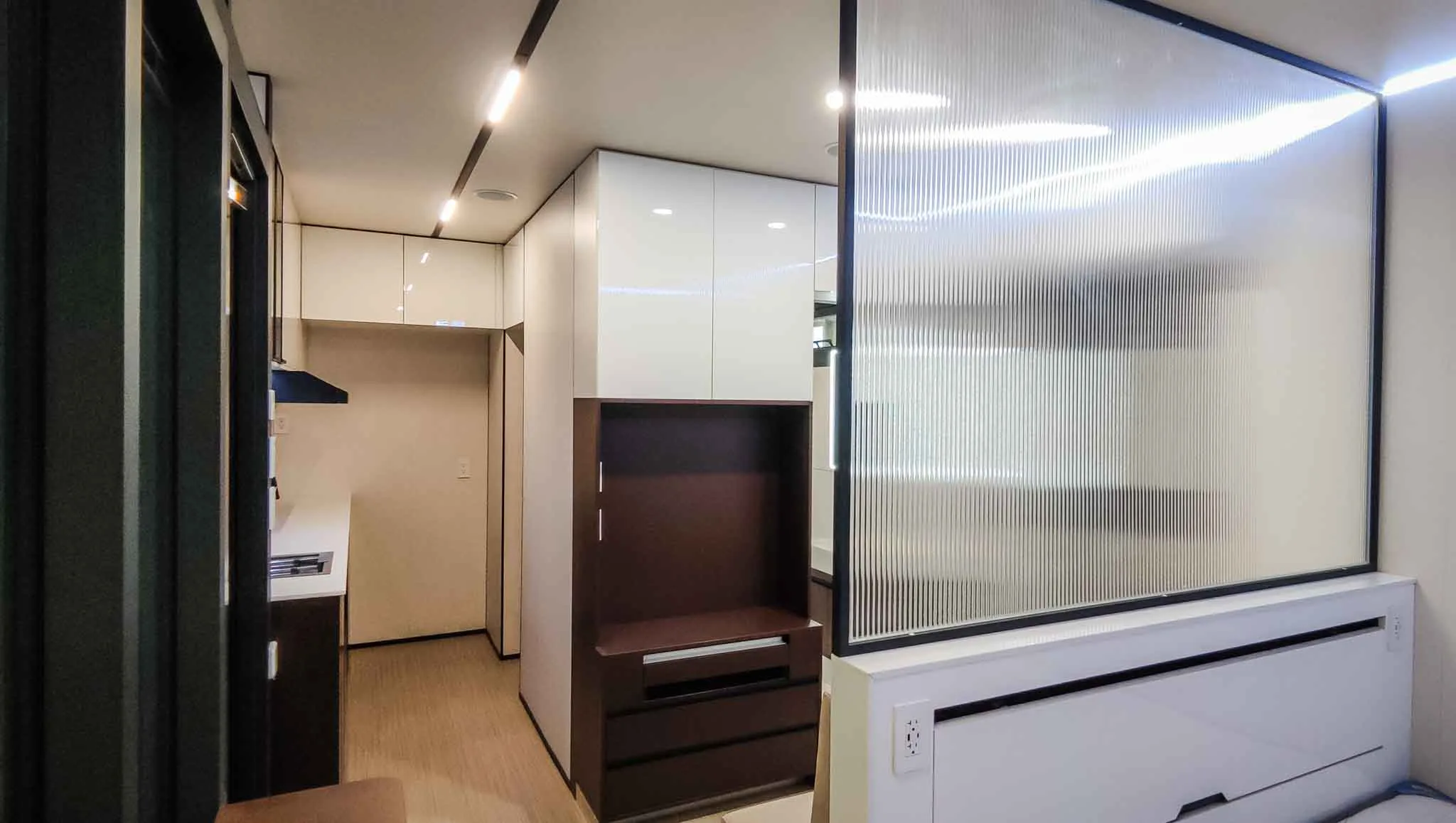
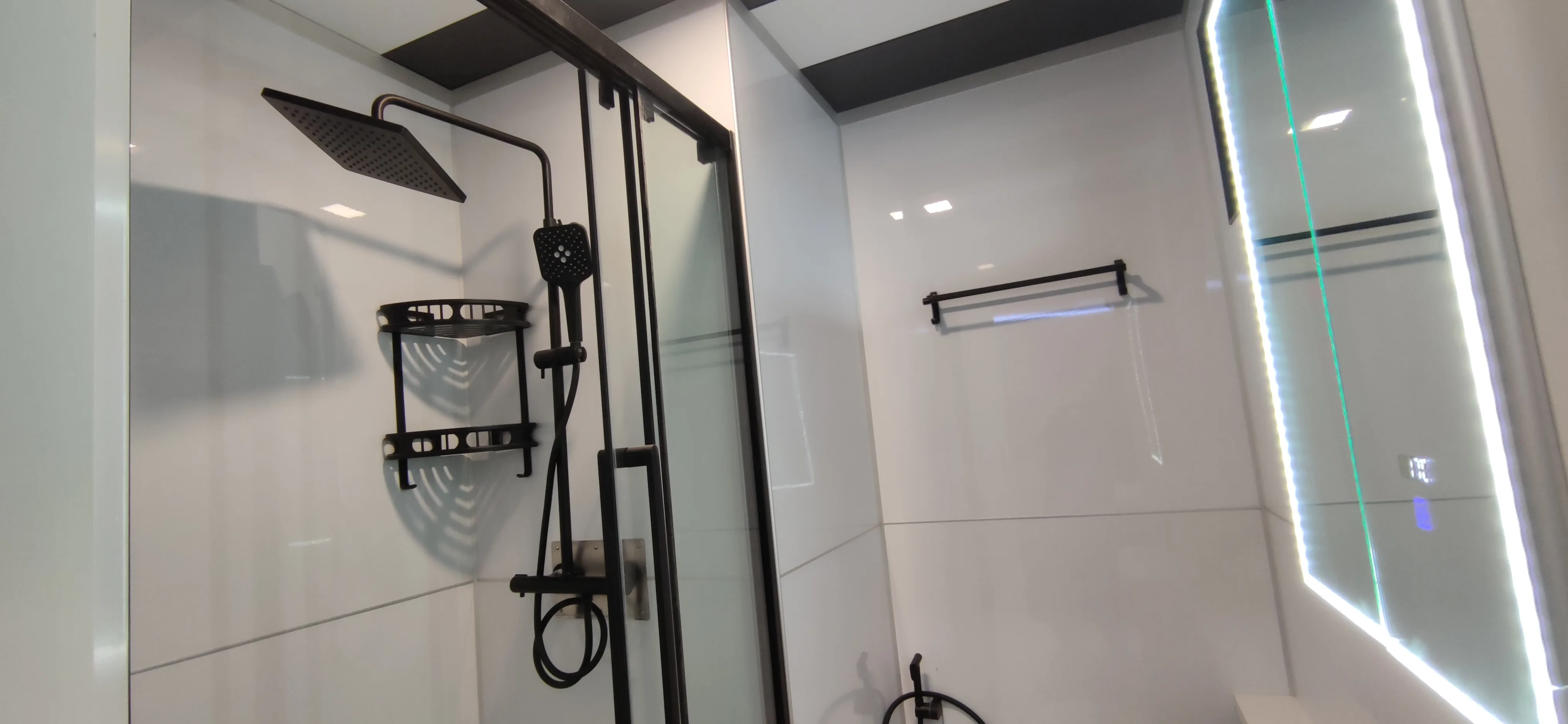
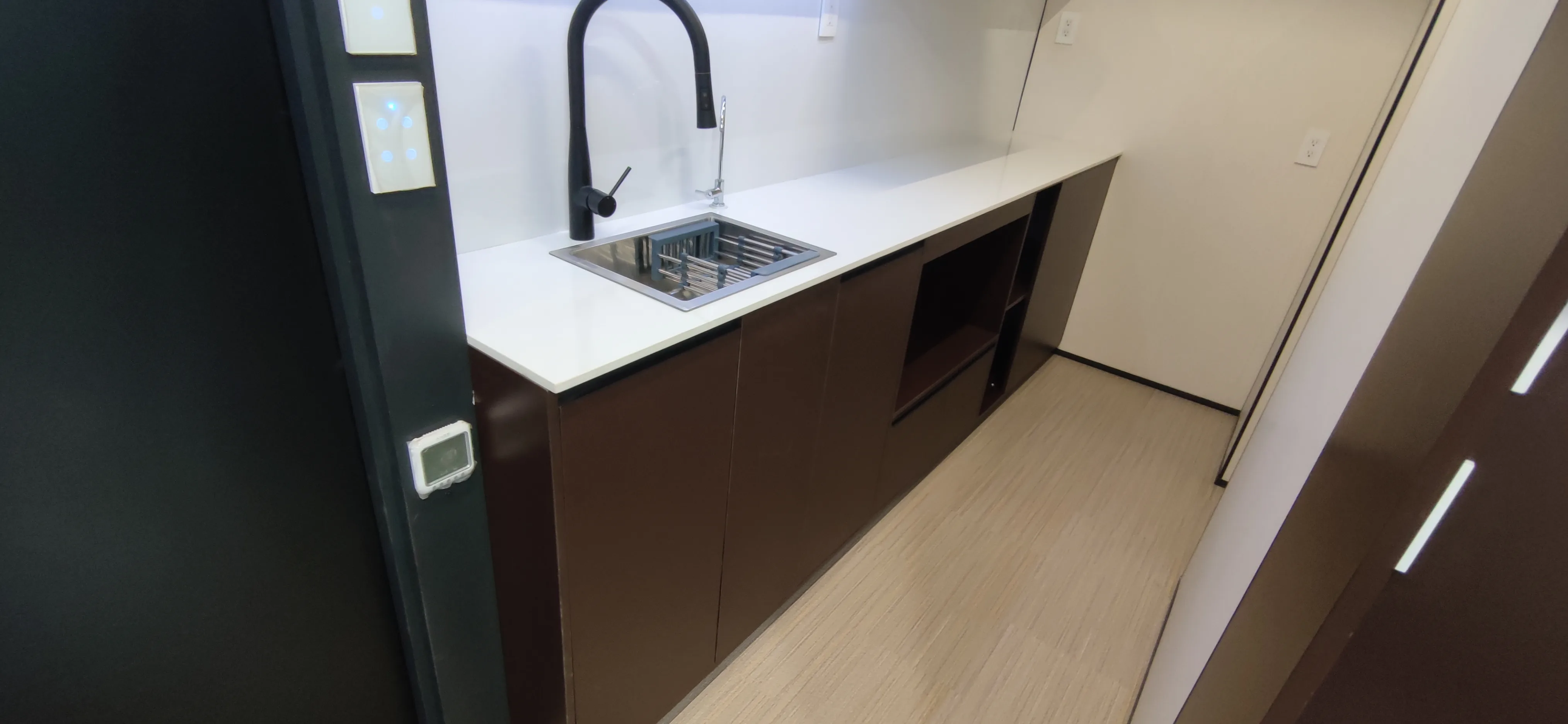
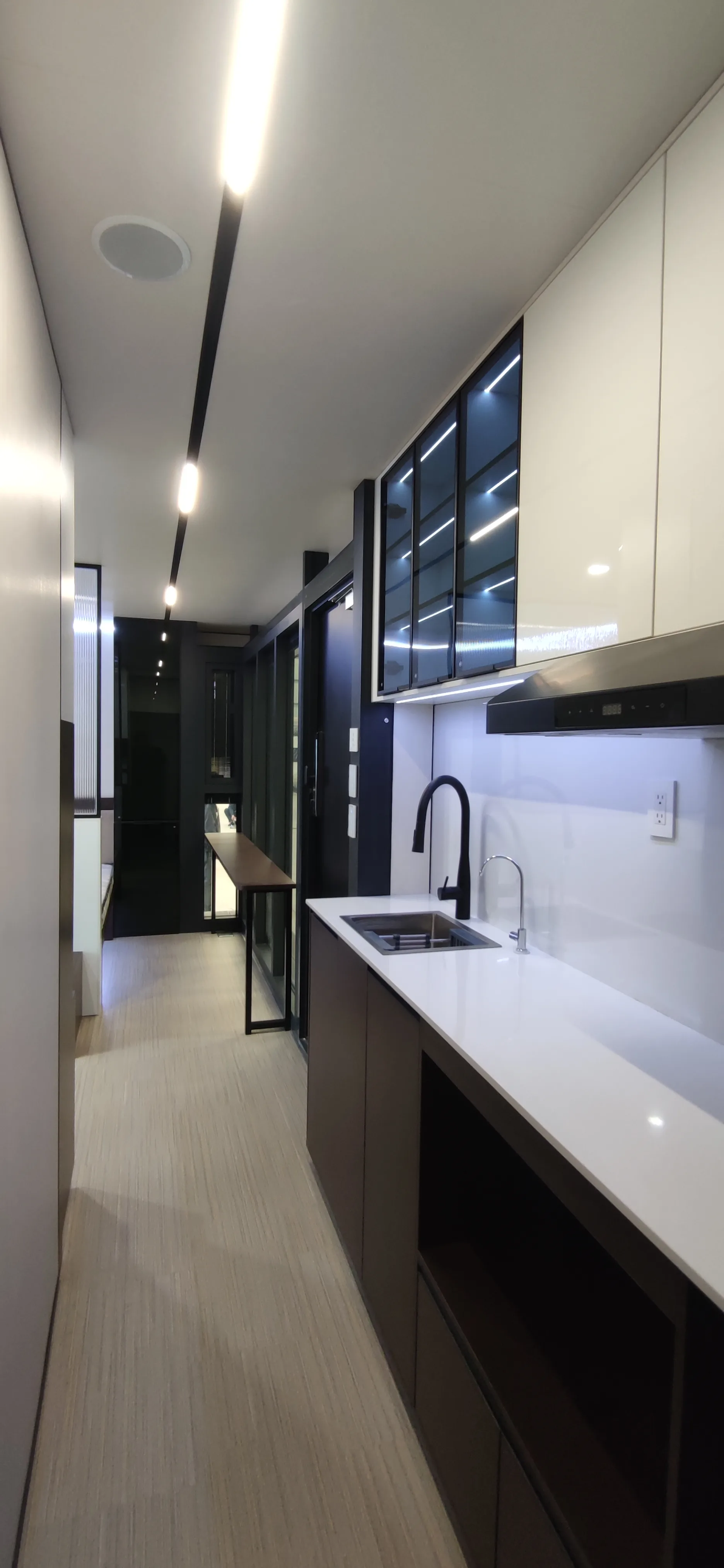
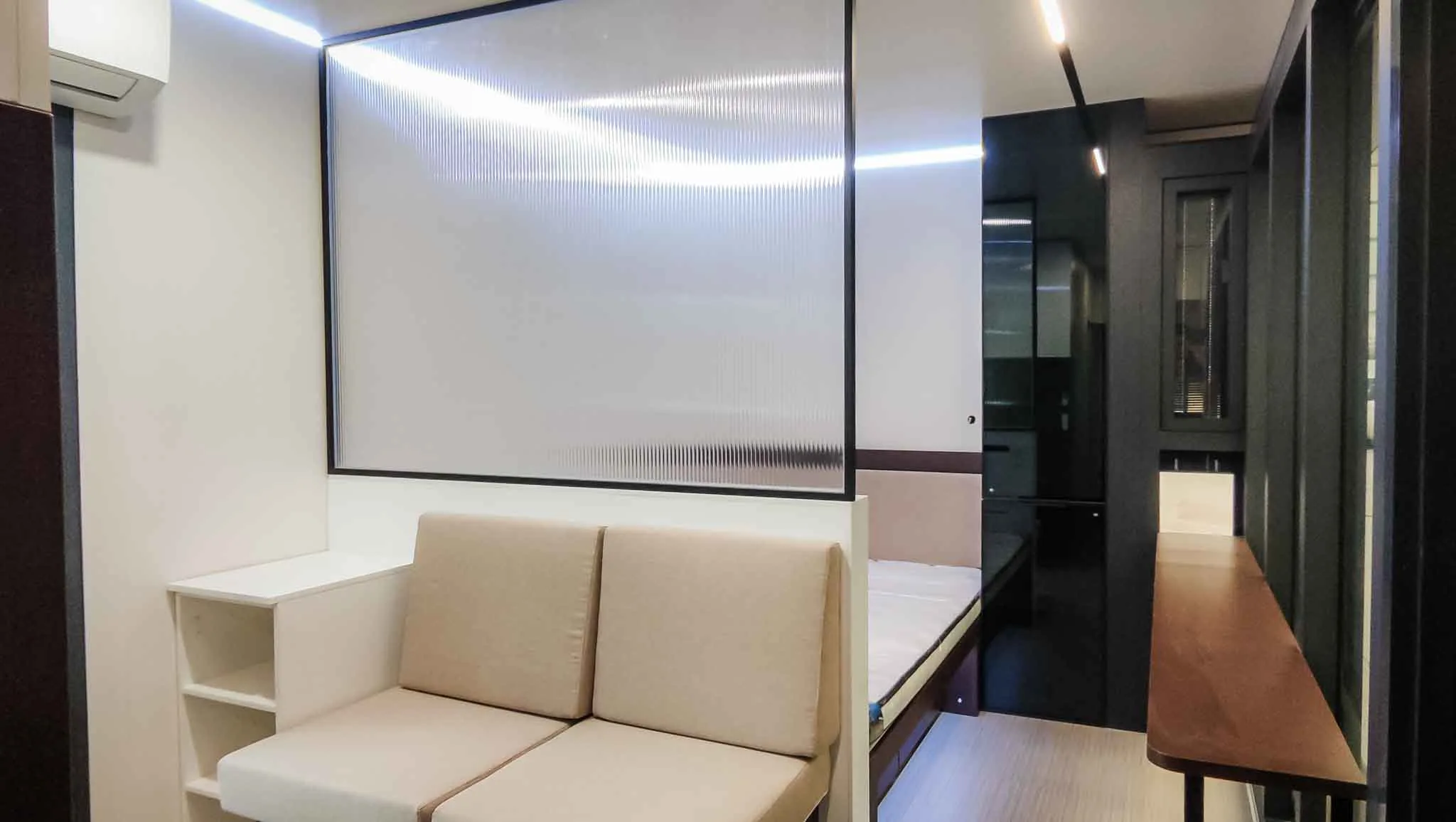
Project highlights
Client
Morongo Casino & Resort Client
Location
Cabazon, California
Year completed
2023
Project type
Modular park development
Units delivered
9 homes
Construction method
Off-site modular construction
Delivery timeline
Under 120 days
Key challenge
Large-scale deployment with strict timeline
Key result
100% on-time delivery
Additional benefit
No unexpected construction cost overruns
The challenge
The project faced several critical requirements:
- Source a reliable modular housing supplier capable of supporting bulk deployment
- Ensure homes were built to meet applicable U.S. construction standards
- Complete manufacturing and delivery of all units within a strict 120-day timeline
- Minimize on-site construction activities
- Maintain budget certainty throughout the project
- Ensure consistency across all units within the development
Traditional site-built construction would have required coordinating multiple trades, managing labor shortages, and navigating potential schedule delays that could impact project completion.
For a multi-unit development, maintaining cost control and delivery certainty was a top priority.
The solution
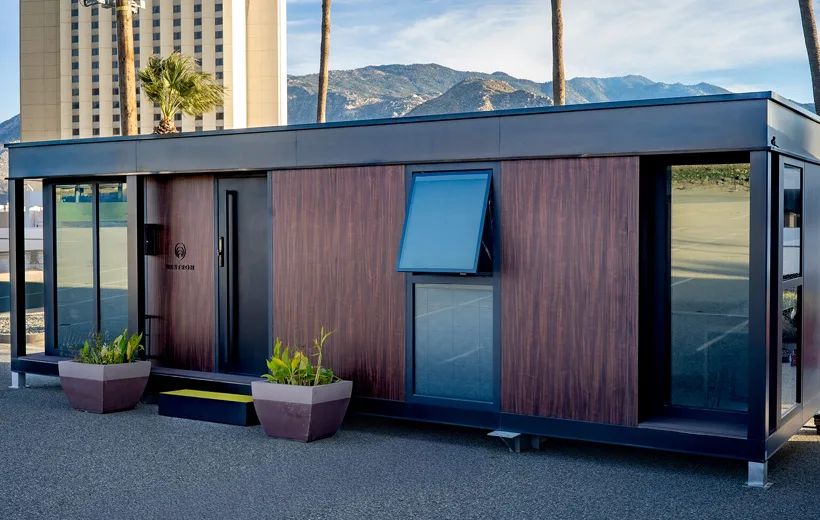
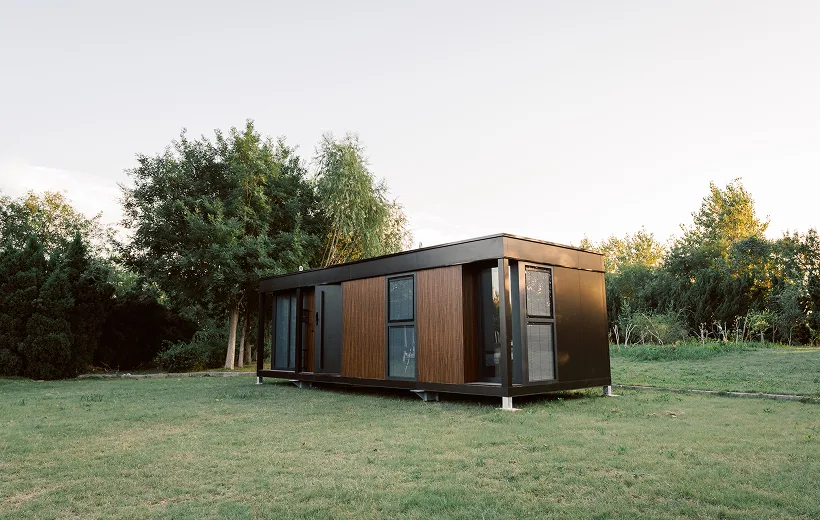
Nestron provided a fully integrated modular housing solution designed specifically to support rapid community deployment.
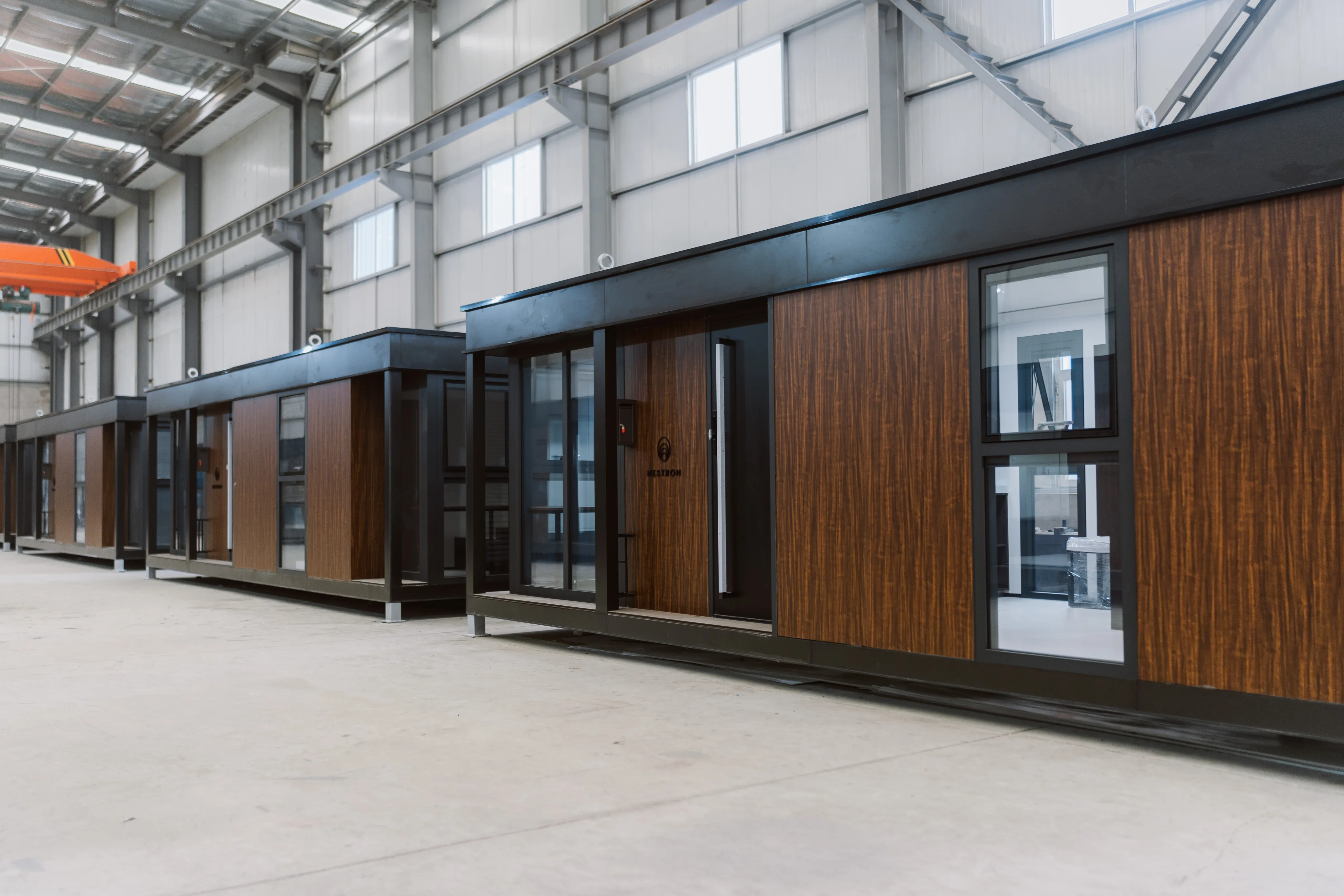
Rather than constructing homes individually on-site, the units were manufactured in a controlled factory environment where production quality, scheduling, and material procurement could be closely managed.
Key advantages of the solution included:
- Factory-built modular construction
- Simultaneous production of multiple units
- Consistent quality control across all homes
- Reduced dependency on local labor availability
- Significantly shortened project timeline
- Minimal site disruption during installation
- Predictable project costs from manufacturing through delivery
By shifting the majority of construction activities off-site, Morongo was able to avoid many of the variables commonly associated with traditional residential development.
Implementation
The project involved the production and deployment of nine modular homes within a compressed schedule.
Manufacturing, quality control, logistics coordination, and site delivery were carefully planned to ensure each unit arrived ready for installation.
The modular approach enabled:
- Parallel production workflows
- Faster project execution
- Improved construction consistency
- Reduced weather-related delays
- Streamlined site preparation requirements
This allowed the development to progress efficiently while maintaining the overall project schedule.
The results
The project successfully demonstrated the scalability of modular construction for community-level development.
Key outcomes
- All 9 homes delivered within the targeted 120-day timeline
- No major project delays during deployment
- No unexpected construction cost overruns
- Consistent quality across all units
- Reduced on-site construction requirements
- Greater budget predictability compared to conventional construction methods
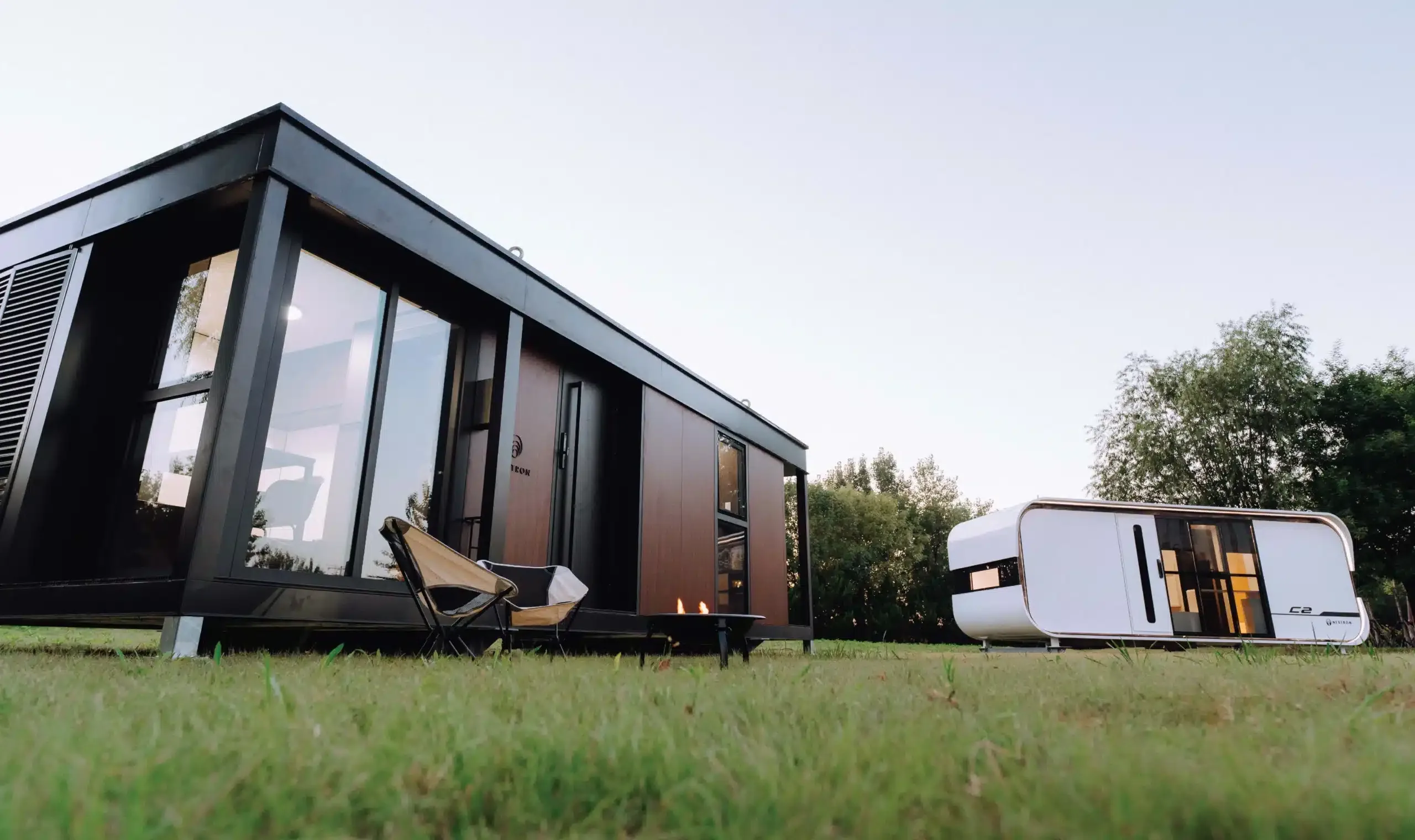
The successful completion of the project provided Morongo with a faster and more controlled alternative to traditional site-built housing while supporting its broader development objectives.
Client outcome
For Morongo Casino & Resort, the project validated how modular construction can be effectively utilized for larger-scale residential developments where speed, consistency, and cost certainty are critical.
By leveraging factory-built construction and coordinated deployment, the development team was able to complete a nine-unit community within a challenging timeline while avoiding many of the risks commonly associated with conventional construction projects.
The result was a streamlined delivery process that provided predictable outcomes from manufacturing through installation.