
Operating in one of the world’s most remote mining regions requires more than just housing—it demands a complete living environment capable of supporting workers where conventional construction is often impractical.
To support ongoing mining operations, the client required a reliable accommodation solution that could provide safe, comfortable housing for its workforce while overcoming the logistical challenges of an isolated project site.
The objective extended beyond constructing dormitories. The development also needed essential infrastructure to sustain daily operations in an area with limited existing utilities.
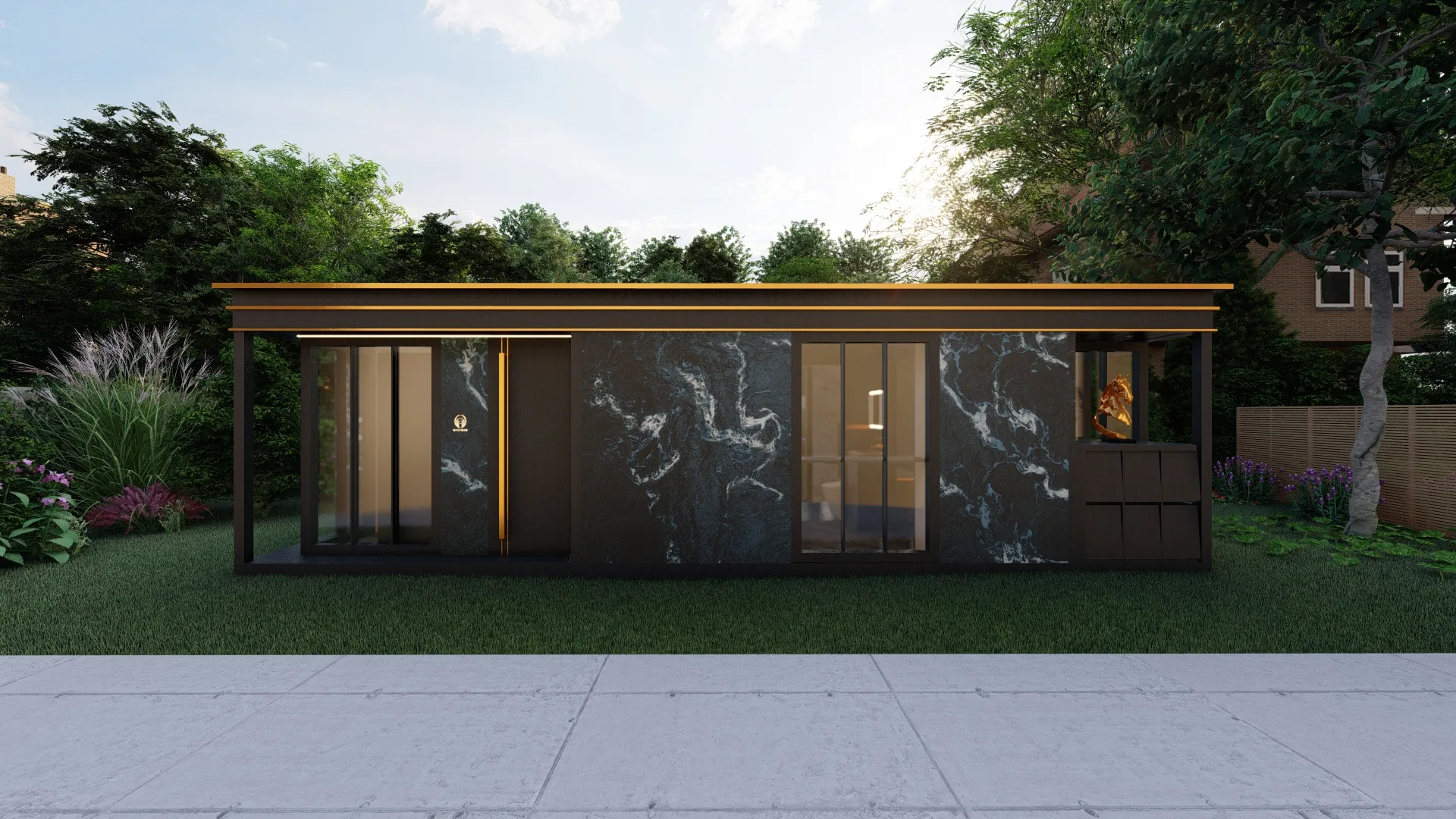
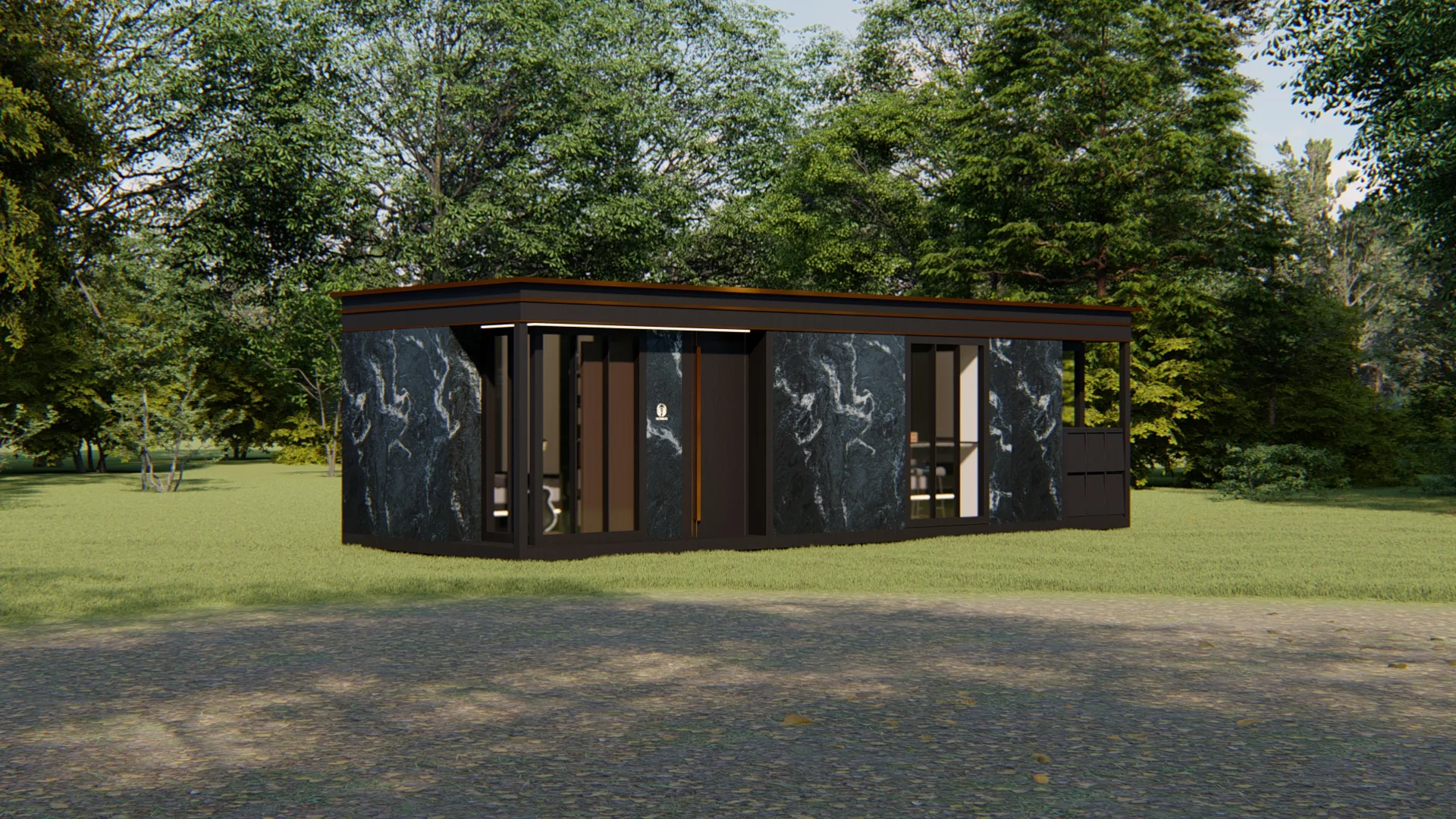
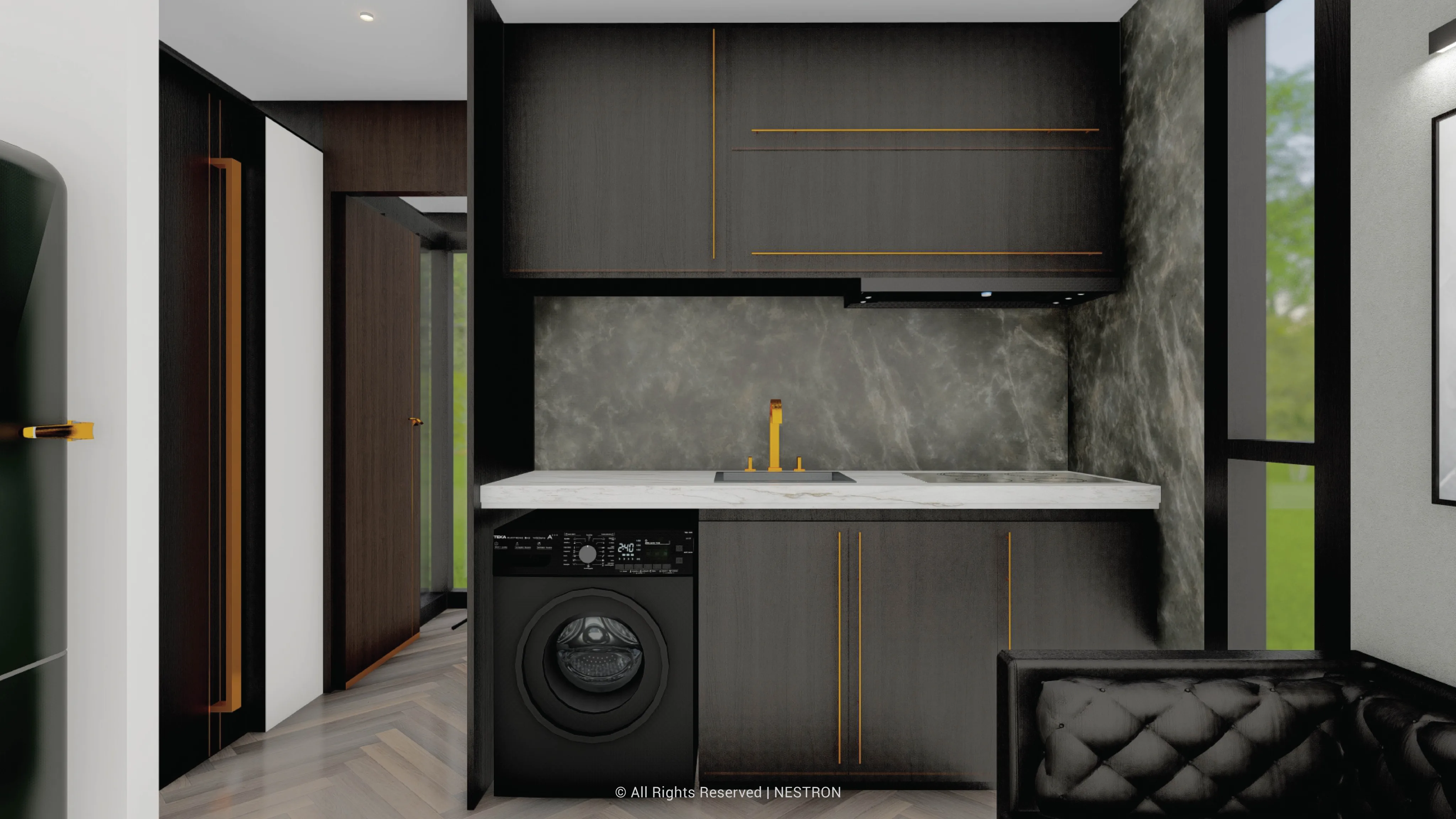
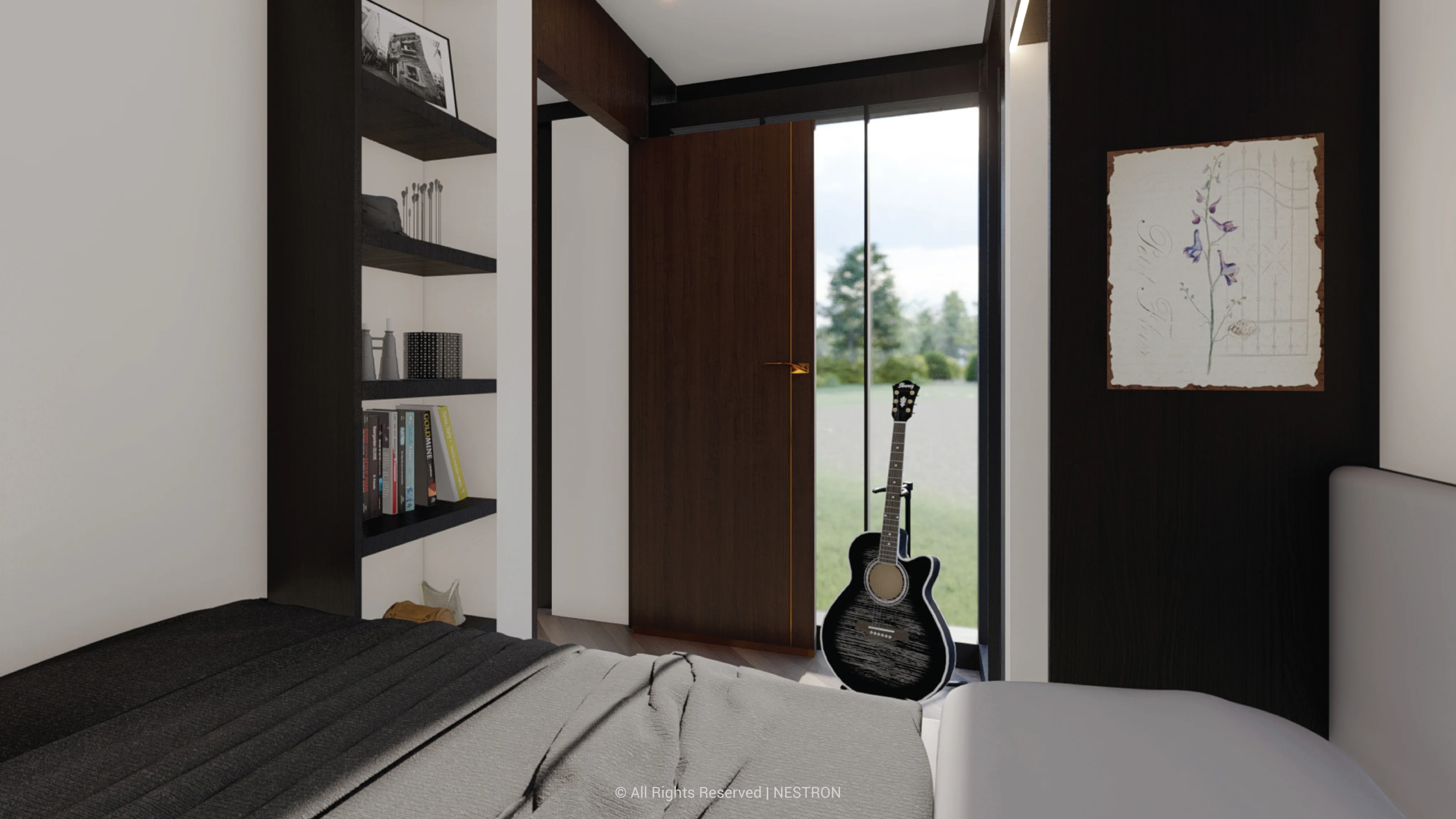
Project highlights
Client
Mongolia Mining Facility Dormitory
Location
Mongolia
Year completed
2018
Project type
Remote Workforce Accommodation
Housing Solution
Multi-Storey Dormitories
Construction method
Off-Site Modular Construction
Infrastructure
Water Treatment, Wastewater Processing & Power Station
Primary Challenge
Remote, Inaccessible Project Site
Key result
Complete Self-Sustaining Workforce Community Delivered
The challenge
Developing housing in a remote mining environment presented several significant obstacles:
- Limited accessibility for traditional construction methods
- Harsh environmental and site conditions
- Tight construction and deployment schedules
- Need to accommodate a large workforce
- Lack of existing utility infrastructure
- Requirement for independent water, wastewater, and power systems
Conventional on-site construction would have required transporting large volumes of materials, equipment, and labor over long distances, significantly increasing project complexity, cost, and construction time.
The solution
Nestron provided an integrated modular construction solution designed specifically for remote deployment.
Rather than relying on conventional building methods, the accommodation facilities were prefabricated off-site and transported for installation, allowing construction activities at the mining site to be significantly reduced.
The project included:
- Multi-storey modular dormitory buildings
- Worker accommodation facilities
- Stand-alone water treatment systems
- Wastewater processing facilities
- Dedicated power station infrastructure
- Supporting utility systems designed for continuous operation
By integrating housing and supporting infrastructure into a coordinated deployment strategy, the project created a self-sustaining living environment capable of supporting mining operations in a remote location.e variables commonly associated with traditional residential development.
Implementation
The project required careful planning of manufacturing, logistics, transportation, and on-site installation to overcome the challenges of the remote environment.
Factory-built modules minimized on-site construction requirements while enabling faster deployment and improved quality control.
The modular approach provided:
- Faster installation in difficult terrain
- Reduced dependence on extensive on-site construction crews
- Consistent construction quality
- Simplified project coordination
- Efficient deployment of supporting infrastructure
The result was a fully operational accommodation complex capable of supporting daily life for mining personnel.
The results
TThe project successfully established a complete workforce accommodation facility in an area where conventional construction would have been difficult and time-consuming.
Key Outcomes
- Multi-storey modular dormitories successfully installed
- Comfortable accommodation provided for mining personnel
- Independent water supply and wastewater treatment systems commissioned
- Dedicated power station installed to support daily operations
- Reduced on-site construction requirements
- Reliable infrastructure delivered to a remote mining location
The project demonstrated how modular construction can rapidly deliver both residential buildings and critical infrastructure in challenging environments.

Client outcome
For the mining operation, the project provided more than employee housing—it delivered a complete, self-sufficient living environment that enabled workers to safely live and operate in a remote location.
By combining modular accommodation with essential utility infrastructure, Nestron transformed an isolated project site into a functional workforce community, showcasing the versatility of modular construction for industrial and infrastructure developments.