
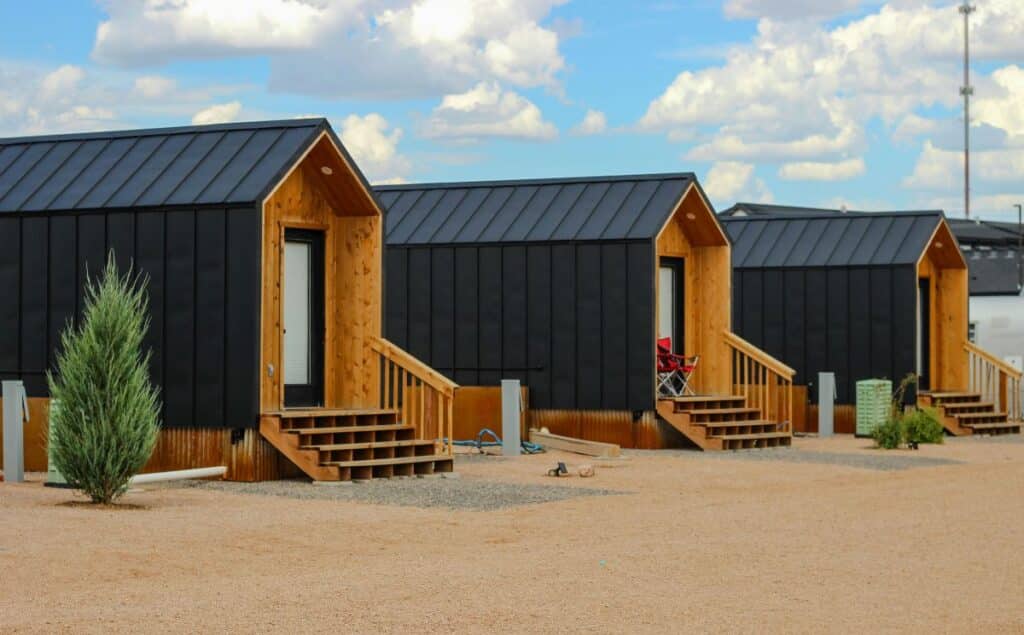
How Backyard ADUs Can Create Passive Rental Income for Homeowners
Housing prices continue to rise in many cities. At the same time, many properties include unused backyard space. This situation creates an opportunity for homeowners to build accessory dwelling units. These compact homes can generate passive rental income for homeowners without buying additional property. We at Nestron strive to simplify the process. We support homeowners with affordable prefab housing solutions. Factory-built homes reduce construction delays and material waste. Backyard ADUs help transform empty land into productive housing. Homeowners gain a steady income source while helping the local housing supply. Similarly, renters gain access to smaller and more affordable homes.
What Is a Backyard ADU and Why Is Demand Rising
An accessory dwelling unit is a small residential home built on the same lot as a main house. Backyard ADUs are separate structures placed behind the primary residence. They usually include a kitchen, bathroom, and sleeping space.
Demand for these homes continues to grow in many regions. Cities face housing shortages and rising rent prices. Small homes provide practical housing without major land expansion. As a matter of fact, several municipalities simplified rules to allow more ADU construction.
Backyard placement offers privacy for both residents. The main house remains separate from the rental unit. In contrast, basement apartments share walls and entrances with the homeowner.
Passive Rental Income for Homeowners: Why ADUs Are a Powerful Asset
A backyard rental can create passive rental income for homeowners with minimal property expansion. Instead of buying a second property, owners use existing land. This approach lowers risk and startup cost.
Rental income can offset mortgage payments or property taxes. For example, a small one-bedroom ADU can produce steady monthly rent in many markets. Even modest rent can support household finances.
Property owners also gain long-term flexibility. An ADU can house family members or aging parents later. Nevertheless, it can operate as a rental during earlier years.
Capt: Backyard ADUs offer a practical path to passive rental income for homeowners
The Cost Advantage of Modern Prefab ADUs
Traditional home construction often takes many months. Labor costs and material delays raise the total price. Prefabricated ADUs solve several of these problems.
Prefab homes are built in controlled factory environments. Builders assemble sections before delivery to the property. Therefore, construction time on site becomes much shorter. At Nestron, we focus on compact prefab housing. Their units arrive ready for installation with built-in systems. Of course, this approach improves cost transparency for homeowners.
Designing an ADU That Maximizes Rental Appeal
Good design increases rental demand for small homes. Efficient layouts make compact spaces feel comfortable. Storage solutions play a major role in everyday usability. You can give temporary storage a try if you need more space. There are many pros and cons of temporary storage units, but overall, they have proven reliable.
Large windows and natural light improve the interior atmosphere. Similarly, open floor plans reduce the feeling of crowding. Renters often value these features more than extra square footage.
Outdoor space can also increase rental value. Small patios or garden areas create private relaxation zones. Meanwhile, separate entrances maintain privacy between the tenant and homeowner.
Energy efficiency attracts long-term tenants. Modern insulation and appliances reduce utility bills. Consequently, renters may stay longer because living costs remain predictable.

Backyard ADUs offer a practical path to passive rental income for homeowners
Zoning, Permits, and Utility Setup: What Homeowners Must Understand
Before building an ADU, homeowners must review local regulations. Zoning rules determine where accessory units are allowed. They also define building size and distance from property lines.
Permits are required before construction begins. Local authorities inspect the structure during several stages. Of course, these steps ensure the home meets safety codes.
Utility connections are another essential factor. The ADU may connect to the main home’s water and power systems. On the other hand, some properties require separate meters or upgraded connections.
Permit approval can seem time-consuming. However, experienced ADU providers guide homeowners through the process. For instance, nationwide companies help coordinate design documents and permit submissions.
Rental Strategies That Increase Long-Term Profit
Homeowners must decide how to rent the ADU. Long-term rentals offer a stable monthly income. Short-term rentals may produce higher revenue in tourist areas.
However, local regulations sometimes restrict short-term rentals. In contrast, long-term leasing usually follows simpler rules. Many homeowners prefer stable tenants instead of frequent turnover.
Furnished units can attract professionals or traveling workers. At the same time, furnishing adds upfront cost. Owners must evaluate local demand before choosing this strategy.
Tenant screening is important for protecting the property. Background checks and references reduce risk. Afterward, a clear lease agreement defines responsibilities for both parties.
Financing Options for Building a Backyard ADU
Financing plays a major role in ADU construction decisions. Many homeowners use home equity loans to fund the project. These loans allow borrowing against existing property value.
Home equity lines of credit offer flexible funding options. Owners can draw money as construction progresses. Meanwhile, interest rates may vary depending on market conditions.
Specialized ADU construction loans also exist in some regions. These loans consider the future rental income of the unit. Consequently, lenders may approve larger financing amounts.
Government programs sometimes support ADU development. Grants or tax incentives may reduce initial costs. As a result, homeowners recover their investment faster through rental income.
How ADUs Increase Property Value Over Time
Adding an ADU expands usable living space on the property. Real estate buyers often value extra housing units. A property with rental potential becomes more attractive in competitive markets. There are many smart ADU options that can be used for business, too.
Appraisers consider rental income potential during property evaluation. Therefore, the home may receive a higher market value. Buyers see future income possibilities along with the residence.
An ADU also supports multi-generational living arrangements. Families can house relatives while maintaining privacy. At the same time, traditional single homes lack this flexibility.

Traditional home construction often takes many months
Summary: Backyard ADUs as a Smart Path to Passive Rental Income
Backyard ADUs offer a practical path to passive rental income for homeowners. These small homes transform unused property space into reliable income sources. Construction options have improved greatly in recent years. Prefabricated units lower costs and shorten building timelines. Similarly, standardized designs simplify installation and planning. We at Nestron help homeowners access affordable ADU solutions. Their approach focuses on efficient housing that fits residential properties.