
People scroll at lightning speed, but they’ll pause when an image feels warm and real. That’s why strong photos matter for any short-term rental, and even more for a compact space with a big idea behind it. A modular ADU, or accessory dwelling unit, is a small, separate home built on the same lot as a main house, with full living features in a smart footprint. Recently, ADUs, or, as they say, tiny homes, have gained attention as long-term investments and reliable sources of passive income, and the interest makes sense. These homes carry charm and function in equal parts; your task will be to show both in a single frame. The right image tells a story of supreme comfort without using a single word. That’s where photos for modular ADUs earn their value. They’ll invite a guest to pause and picture their stay.
Personal Touches That Read Well on Camera
A photo usually does more than show a room. It shows mood, and styling is what sets that mood. You can start with clean lines and open space. Continue with adding small items that show care: a folded throw on a chair shows rest; a plant near a window shows life. Artwork on the wall gives your space a unique voice. Each piece should feel placed with purpose.
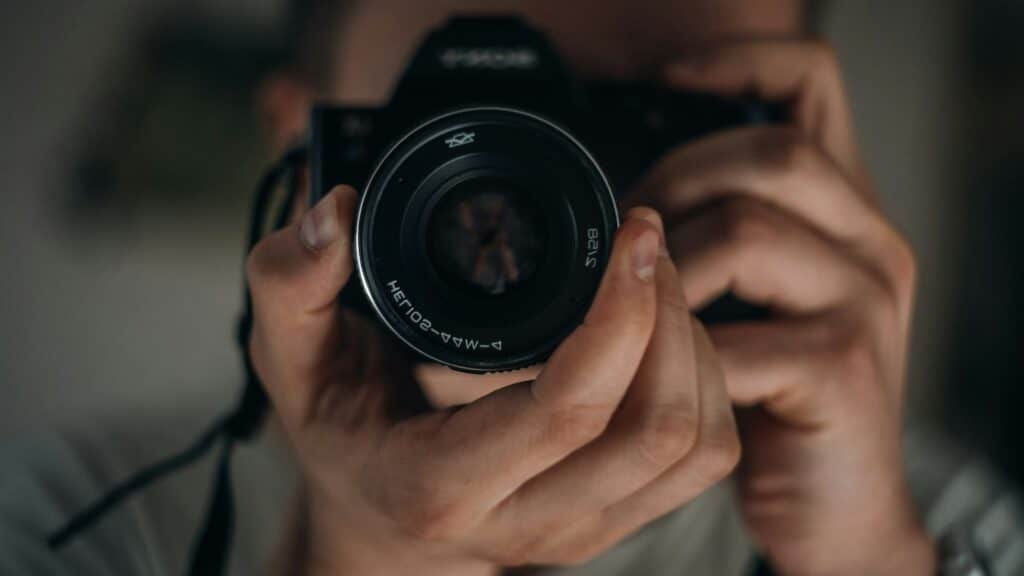
Personal objects also help. A record player on a shelf adds rhythm. A stack of travel books on a table adds story. Even an old camera can serve as a great display piece on a desk or console. These items tell guests that a real person shaped this space with thought. Keep colors calm and light. By all means, avoid clutter. Every item in the frame should earn its spot. When a room feels simple and warm, the photo feels honest and inviting. At Nestron, we say good design should feel easy. That idea holds true in every image.
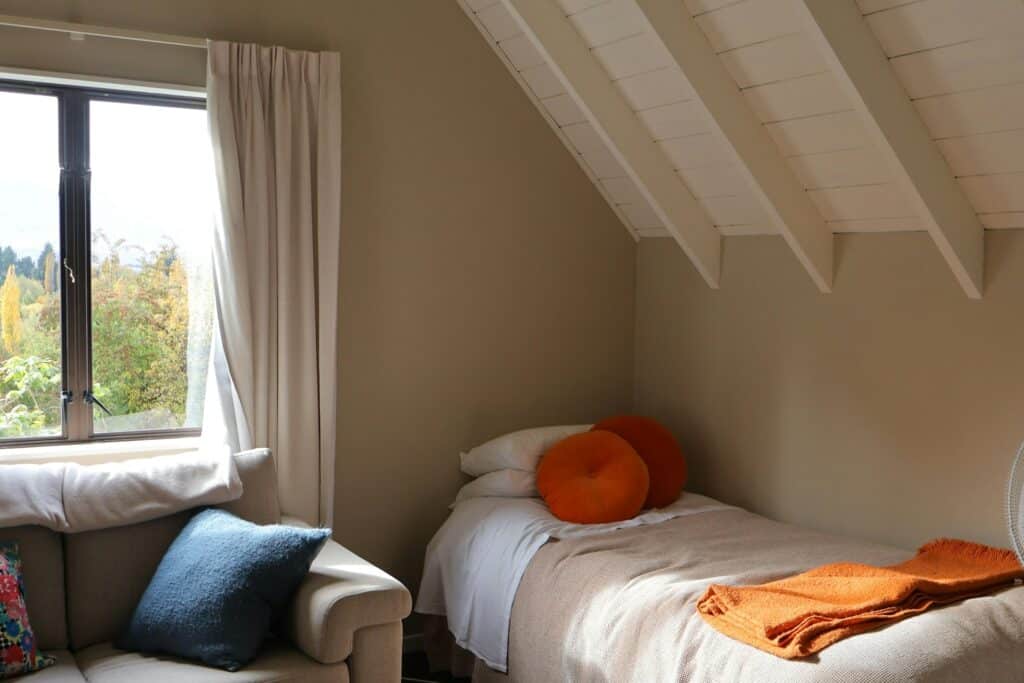
A nice photo tells more than a thousand words.
Light, Angles, and Timing Shape the Shot
Light runs the show in photography, and natural light works best. Shoot during the day when the sun enters the space at a soft angle. Early morning or late afternoon gives a glow without glare. Open curtains. Turn off harsh overhead lights. Let the room breathe.
Choose angles that show flow. You can stand in a corner to capture depth. Keep the camera level to avoid tilt and show how rooms connect. A good photo should guide the eye from one area to the next.
Use a wide lens with care. It should show space without bending lines. A straight wall should look straight. A square table should look square. Clean geometry makes a space feel calm and true.
Showing Comfort and Accessibility for Older Guests
Short-term rental guests come from many life stages, and some look for calm, comfort, and ease. In recent years, more and more US seniors have chosen to downsize, and Forbes has noted that ADUs have become a strong alternative to assisted living. That trend matters for listings because your photos must speak to both comfort and independence.
An ADU offers privacy without distance and support without loss of control. Photos should reflect that balance. Show wide doorways, bright rooms, and clear paths through the space. Let the images feel open and simple to use.
Families who book for older relatives will study these images closely. They’ll look for order and rest in every frame. Once your photos show calm and care, they’ll tell the story faster than text. Here at Nestron, we say good housing works for real life; your photos should prove that at first glance.
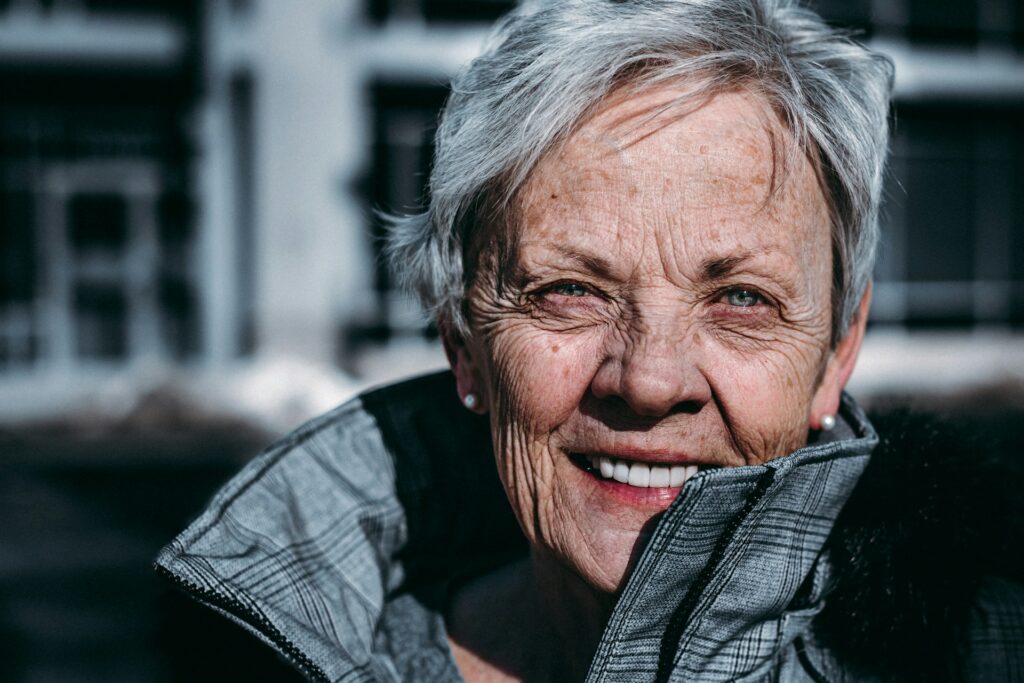
Many US seniors are interested in ADUs.
Show How the Space Works
Guests want to see how they’ll live in the space. They want to picture cooking, resting, and working. Photos should show use: a mug on the table shows morning; a laptop on a desk shows focus; a towel near the shower shows comfort.
Avoid empty rooms that feel cold. Add just enough life to suggest some action, but keep it subtle. The goal isn’t to stage a play. The goal is to show a rhythm of daily life. The viewer sees photos for modular ADUs that feel real and human. These photos show how a small home can hold a full experience.
Exterior Shots Set the First Impression
The first photo often shows the outside. Make it count. Clear the path. Trim plants. Sweep the ground. Let the entry feel open and safe.
Shoot the front at an angle that shows depth. Include the door, the window, and a hint of the space around it. The viewer should feel welcome before they step inside.
If the ADU sits behind a main house, show the path with care. A lighted walkway at dusk can feel calm and secure. A clean fence line can feel private and calm.
The outside image sets trust. It says this place is ready for you.
Edit With Care and Keep It Honest
Editing helps, but it should not change the truth. Adjust light and contrast to match what the eye sees. Keep colors natural. Don’t erase features that exist. Don’t add light that doesn’t belong.
Guests arrive with a photo in mind. Your goal is to meet that promise. When reality matches the image, trust grows. Trust leads to good reviews.
Use the same tone across all images. Let them feel part of one story. Each photo should support the next. Together, they form a clear picture of comfort, design, and ease.
Final Thoughts on Visual Storytelling for Small Homes
A modular ADU carries a big idea in a small frame. Photos carry that idea to the guest. They show comfort. They show life in motion. When each image feels clear and true, the viewer feels ready to stay.
Your camera becomes your voice. Use it with thought. Style with care. Light with sense. Edit with honesty. Then your photos will speak in a calm, confident way.
In the end, great photos for modular ADUs do one fantastic, but very simple thing: they help a guest feel at home before they’ve even arrived.