by Ekey Yeo
Prefab tiny houses the future of smart investment
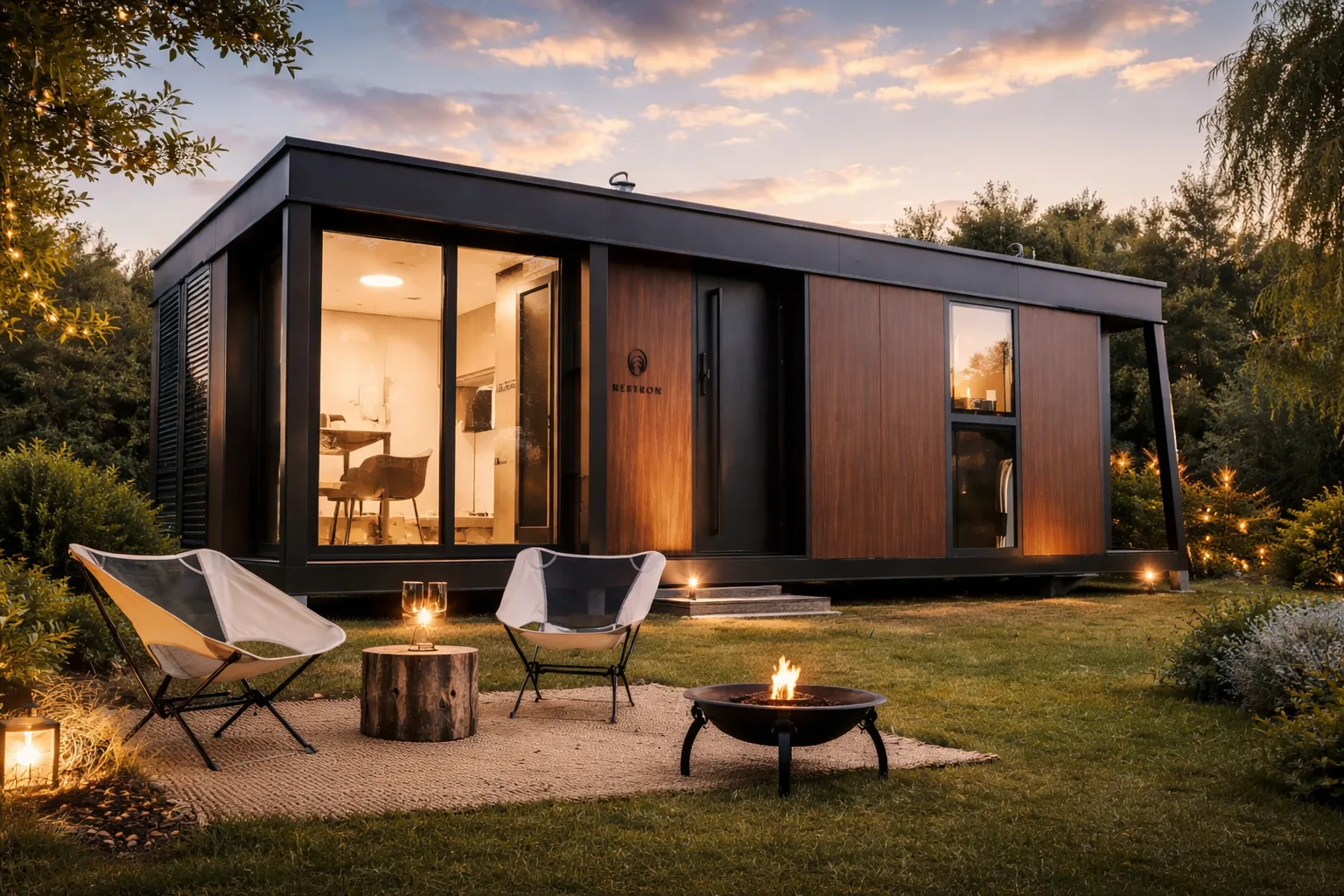
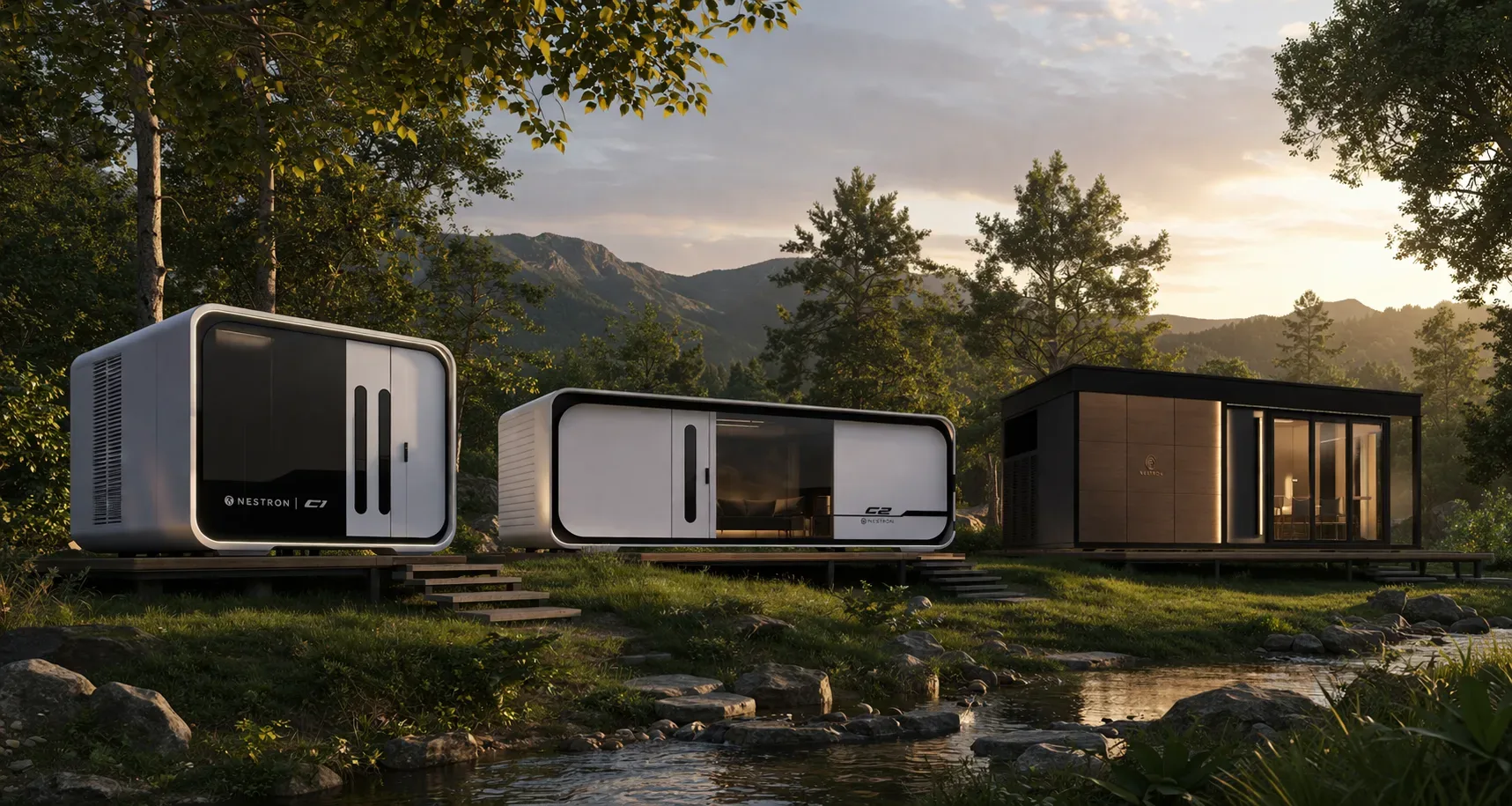
As we navigate the evolving demands of modern living, prefab tiny houses have emerged as a significant trend. These turnkey solutions, blending innovative design with efficiency, are not just a fad but a forward-looking investment. They are particularly appealing for builders, Airbnb owners, and savvy investors seeking sustainable and cost-effective options.
Market Growth: A Data-Driven Perspective
The market data is compelling. The global tiny homes market is poised for substantial growth, with projections indicating an increase of $4.17 billion by 2027. This boom is mirrored in North America, where the market may grow by $3.57 billion from 2021 to 2026.
Why Prefab Tiny Houses?
- Cost-Effectiveness: Prefab homes reduce construction costs, a key consideration for budget-conscious clients.
- Efficiency: Designed for rapid assembly, they promise a quicker path from investment to profitability.
- Sustainability: Their smaller carbon footprint aligns with growing environmental consciousness.
- Flexibility: Their size and design suit various locations, enhancing their appeal.
The Airbnb Edge
Airbnb listings for tiny homes, around 60,000, underscore their popularity as unique accommodations. For Airbnb hosts, they represent a niche market with potential for higher occupancy and better reviews.
Investment Outlook
By 2031, the tiny homes market is expected to reach USD 27,895.34 million, while the prefabricated housing market could hit $19.3 billion by 2024. These figures represent a clear trend towards compact, eco-friendly living solutions, marking prefab tiny houses as a prudent investment.
Key Takeaways
- The market for prefab tiny houses is expanding rapidly, presenting numerous opportunities for investment.
- Their appeal lies in cost-efficiency, sustainability, and unique market positioning, especially in the Airbnb sector.